The Year of the Witching (2020) by Alexis Henderson is a feminist dark fantasy novel that centers on Immanuelle, an outcast deeply tied to a legacy of ancient witches. Set in the isolated, Puritanical town of Bethel, the story explores a community ruled by strict religious authoritarianism. Here, witchcraft, supernatural horror, and dark fantasy gothic fiction intertwine to create a chilling narrative that blends eerie atmospheric dread with moral complexity.
Henderson’s debut is known for its unique fusion of witchcraft mythology with an oppressive social order, exploring themes of race, patriarchy, and the control that religion exerts on society. The novel’s intense, gothic mood and compelling exploration of power and resistance have captivated readers who crave stories that are both unsettling and thought-provoking.
For those who loved The Year of the Witching, this post offers a curated list of 10 exceptional books that echo its hallmarks. Whether it’s witchcraft horror novels or dark fantasy gothic fiction, these selections dive deep into occult legacies, morally ambiguous heroines, and oppressive worlds that feel both immersive and haunting.
What Are These Book Recommendations Based On?
The books recommended here share core qualities with The Year of the Witching, making them perfect books like The Year of the Witching and strong Alexis Henderson read-alikes. The criteria guiding the list include:
- Witchcraft and supernatural horror themes: Each novel features magic as a key element of its worldbuilding or centers on supernatural events that manifest as horror, making witchcraft a narrative driving force.
- Dark fantasy and gothic atmosphere: Settings tend to be claustrophobic, decaying, or suffocating under oppressive institutions such as cults or archaic religions, contributing to a tense gothic mood.
- Strong female protagonists: Characters typically follow a witch-centric narrative, paralleling Immanuelle’s journey of power, persecution, or defiance within their societies.
- Stylistic resemblance: The prose tends toward the lyrical and atmospheric, privileging mood and psychological tension over outright action, capturing Henderson’s chilling and morally complex tone.
- Sustained eerie storytelling: These books maintain suspense and an immersive experience, ideal for readers seeking unsettling, gothic tales steeped in dark fantasy.
Each of these elements converges to give fans a similar blend of witchcraft horror novels and dark fantasy gothic fiction that balance supernatural terror with nuanced social critique.
1. The Witching Hour by Anne Rice (1990)

Genre: Gothic paranormal horror / family saga
Themes: Multigenerational witchcraft, secret covens, haunted houses, curses, dark family secrets
One-sentence review: A grand, baroque exploration of an ancient witch lineage intertwined with a sentient New Orleans house, blending rich gothic atmosphere with cosmic dread.
Reader expectations:
- Expansive, immersive worldbuilding steeped in family legacy and occult lore.
- Complex witches wielding ritual magic set against a backdrop of haunted settings.
- Slow, deliberate unfolding of dark family secrets and cosmic horror.
Rice’s novel resonates with readers who loved Henderson’s ritualized magic and ancestral curses framed within a richly atmospheric and gothic environment. The emphasis on complex, powerful women and secretive covens parallels Immanuelle’s journey, offering a similarly layered take on witchcraft horror novels.
2. The Lesser Dead by Christopher Buehlman (2014)
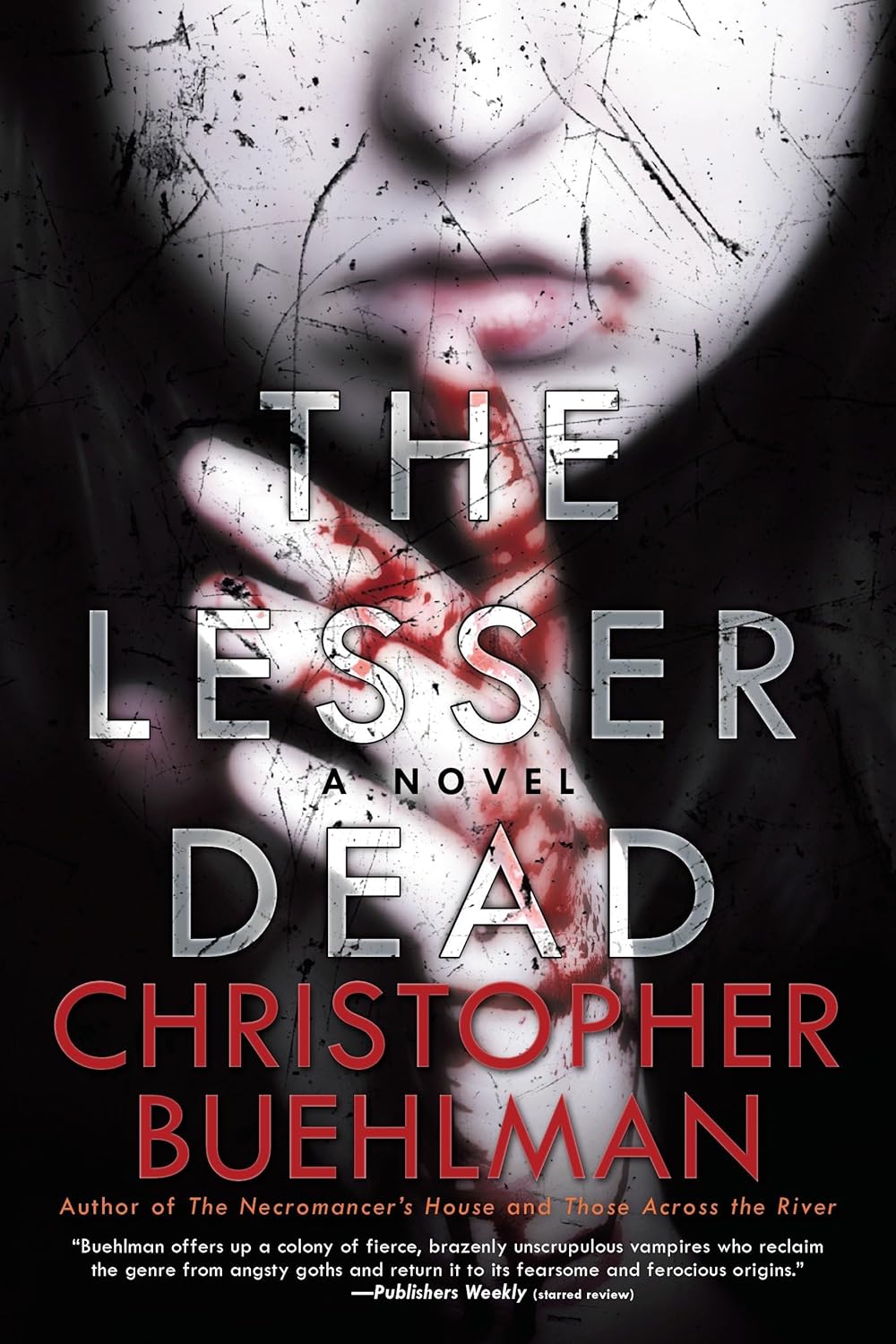
Genre: Horror / dark urban fantasy
Themes: Claustrophobic communities, unseen monsters, unreliable narrators, religious hypocrisy
One-sentence review: A grim, blood-soaked story set in 1970s New York, mixing mythic monsters with biting social allegory and relentless dread.
Reader expectations:
- Dense, visceral prose that conjures a nightmare-like urban atmosphere.
- A tight-knit, beleaguered community under siege by both monsters and social decay.
- Dark humor mixed with sustained moral ambiguity and social critique.
If you appreciated the oppressive religious authority and overwhelming dread in Henderson’s novel, The Lesser Dead offers similarly intense horror wrapped in institutional critique and complex characters wrestling with survival and identity.
3. The Drowning Girl by Caitlín R. Kiernan (2012)

Genre: Literary dark fantasy / psychological horror
Themes: Unreliable memories, magical realism, witchcraft allusions, gothic melancholy
One-sentence review: A haunting, lyrical narrative blending mental illness and supernatural influence through a deeply unreliable, emotive voice.
Reader expectations:
- A subjective first-person perspective blending reality and hallucination.
- Dreamlike, evocative prose emphasizing mood over clear plot.
- Subtle supernatural elements exploring themes of inheritance and trauma.
For readers drawn to introspective, emotionally complex witchcraft horror novels, Kiernan’s work offers a gripping, ambiguous atmosphere and moral complexity matched to the gothic tones of Henderson’s narrative.
4. Strange Grace by Tessa Gratton (2019)
Genre: Dark fantasy / mythic retelling
Themes: Folk magic, ritual sacrifice, female agency, otherworldly bargains
One-sentence review: A richly mythic fantasy using sea rituals and grim bargains to probe power, loss, and transformation.
Reader expectations:
- Magic bound to ritual and folk traditions shaping characters’ fates.
- An uncanny coastal setting that acts as a living, menacing presence.
- Female protagonists facing morally fraught decisions and supernatural forces.
Fans who value ritualistic magic and the intersection of personal and communal sacrifice in Henderson’s work will find Gratton’s novel resonant, with its powerful female leads and deeply atmospheric dark fantasy gothic fiction.
5. The Beautiful by Renée Ahdieh (2019)

Genre: Gothic historical fantasy / supernatural thriller
Themes: Vampire and witch intersections, secret orders, dark rituals, female resilience
One-sentence review: An opulent gothic thriller set in New Orleans, where dark cults and supernatural politics clash with youthful defiance.
Reader expectations:
- Lush, detailed period settings within a brooding Southern gothic atmosphere.
- A protagonist caught in occult conspiracies and dangerous social hierarchies.
- Exploration of female autonomy against ritualistic and patriarchal control.
Its blending of ritual magic, social oppression, and a heroine’s dark supernatural journey closely mirrors Henderson’s novel’s thematic core of controlling institutions and occult resistance.
6. The Witches of New York by Ami McKay (2010)

Genre: Historical gothic / literary fantasy
Themes: Feminist witchcraft, marginalization, prophetic gifts, occult sisterhood
One-sentence review: A quietly defiant historical tale portraying witchcraft as a tool of resistance and refuge for women constrained by societal norms.
Reader expectations:
- Rich character-driven narrative emphasizing sisterhood and small-scale magic.
- Detailed historical backdrop infused with feminist social critique.
- Magic portrayed as survival and empowerment in a hostile world.
This novel’s focus on feminist witchcraft and resistance toward oppressive systems echoes the social critique and female empowerment threaded through Henderson’s work.
7. The Little Stranger by Sarah Waters (2009)

Genre: Gothic psychological horror
Themes: Haunted estates, class decay, repression, escalating dread
One-sentence review: A masterful modern gothic horror in which a dilapidated mansion becomes a crucible for social and supernatural unease.
Reader expectations:
- Slow-building tension fueled by atmospheric description and subtle horror.
- Exploration of societal rot and the invisible burdens of class and power.
- Elegant prose weaving psychological complexity with ghost story elements.
Waters’ claustrophobic, oppressive atmosphere and critique of social hierarchies complement the gothic mood and institutional dread in Henderson’s novel, appealing to those who enjoy slow-burn horror fused with social commentary.
8. The Good House by Tananarive Due (2003)

Genre: Supernatural horror / dark family drama
Themes: Ancestral curses, family legacy, African diasporic witchcraft, community trauma
One-sentence review: A culturally rich horror novel about confronting a multigenerational curse that terrorizes a family and their community.
Reader expectations:
- Integration of supernatural horror with African American cultural and spiritual traditions.
- Strong female lead confronting inherited darkness and social challenges.
- In-depth exploration of community dynamics under supernatural stress.
Due’s blend of race, heritage, and supernatural inheritance resonates with the racial and familial themes in Henderson’s narrative, offering a complementary experience of witchcraft horror novels rooted in cultural identity.
9. The Merciful Crow by Margaret Owen (2019)

Genre: Grimdark fantasy / folklore-inspire
Themes: Caste oppression, ritual deathkeepers, superstition as control, morally grey protagonists
One-sentence review: A grim, complex fantasy where rigid caste roles and ancient rituals dictate survival in a world shaped by superstition and fear.
Reader expectations:
- A vividly realized world governed by harsh social rules and superstitions.
- A strong female protagonist navigating oppressive customs and ethical dilemmas.
- Dark, tension-filled storytelling with immersive worldbuilding.
Its focus on ritualized oppression and social taboos aligns with Henderson’s themes of institutional cruelty and witch-centric storytelling, offering fans grimdark fantasy laced with folk magic.
10. Witchmark yb C. L. Polk (2018)

Genre: Gaslamp fantasy / queer gothic
Themes: Suppressed magic, institutional secrecy, medical ethics, queer identity
One-sentence review: A richly atmospheric mystery combining gothic tones with a socially critical narrative about hidden powers and systemic abuse.
Reader expectations:
- A tightly plotted mystery layered with atmospheric, socially conscious worldbuilding.
- Protagonists with concealed magical abilities confronting oppressive institutions.
- Themes balancing grief, hope, and ethical complexity.
Witchmark echoes Henderson’s critique of religious control and the suppression of magic through its exploration of institutional abuse and magical awakening, making it a distinguished dark fantasy gothic fiction option for fans looking for a darker alternative to lighter fantasies like Inkheart.
Conclusion
Witchcraft, horror, dark fantasy, and gothic fiction intersect to create powerful narratives that delve into themes of power, gender, community, and social critique while wrapping readers in suspenseful, atmospheric storytelling.
The ten books listed here deliver immersive, chilling, and thought-provoking experiences that fans of The Year of the Witching will deeply appreciate. Each selection echoes the ritualized magic, feminist tension, oppressive institutions, or morally complex storytelling that make Alexis Henderson’s novel stand out.
If you loved The Year of the Witching, choose your next read based on the element that captivated you most: the oppressive atmosphere, the social commentary, the ancestral witchcraft, or the psychological depth. This curated list of books like The Year of the Witching offers a rich vein of witchcraft horror novels and dark fantasy gothic fiction to explore, ensuring your journey into the shadows continues with engrossing stories that haunt and inspire.
Happy reading.