If you loved Babel by R.F. Kuang, you’re drawn to stories that blend rich historical settings with dark academia fantasy, weaving magical realism with political intrigue and complex academic struggles. Set in 1830s Oxford, Babel follows Robin Swift, a Chinese orphan taken to the Royal Institute of Translation, where silver bars enchant translation magic vital to British imperial power. This historical fantasy novel deftly unites literary depth, dark academia vibes, and a sharp critique of colonialism, enthralling readers who crave morally nuanced narratives wrapped in intellectual tension.
Many fans of Babel seek additional books like Babel R.F. Kuang that capture those unique themes: elite academic institutions, political provocations, and the ethical dilemmas beneath scholarly pursuits. This blog post delivers precisely that—a thoughtfully curated list of 10 Books to Read If You Love Babel, spotlighting dark academia fantasy and historical fantasy books like Babel that echo its layered narrative and stylistic sophistication.
What Are These Book Recommendations Based On?
The ten book recommendations presented here are carefully selected to reflect Babel‘s defining qualities. These include:
- Dark academia fantasy atmospheres, characterized by elite universities or secretive institutions brimming with intellectual rivalry, moral ambiguity, and enigmatic societies.
- A robust intermingling of historical fantasy books like Babel, where pivotal moments or eras of history—often colonial or imperial—are reimagined via magical systems, frequently tied to language, power, or cultural identity.
- Deep explorations of political and academic complexities: power dynamics within colonial or postcolonial frameworks, resistance movements, identity struggles, and betrayals in scholarly circles.
- Literary depth, emphasizing thought-provoking prose and ethical quandaries regarding knowledge, authority, and the cost of intellectual ambition.
Many of these selections balance mainstream recognition with hidden gems, aiming to satiate readers eager for immersive, atmospheric, and morally complex stories akin to Babel’s fusion of magical realism and historical critique.
Put simply, these are Babel similar books and books like Babel R.F. Kuang that incorporate translation magic, academic intrigue, and empire critique, all wrapped in the shadowy allure of dark academia fantasy.
1. The Atlas Six by Olivie Blake (2020)

Genre: Dark academia fantasy
Themes: Secret societies, intellectual rivalries, pursuit of forbidden knowledge
One-Sentence Review: A spellbinding tale of six sorcerers vying for a place in a secret cabal, blending razor-sharp wit with psychological complexity.
What You Can Expect:
- Morally complex characters navigating cutthroat academic competition reminiscent of Babel’s Hermes Society.
- Intricate world-building merging arcane history with modern magical theory.
- Exploration of power, identity, and the ethics of knowledge hoarding.
- A dark academia fantasy tone with shadowy intrigues and treacherous alliances.
The Atlas Six mirrors Babel’s obsession with scholarly cabals and how intelligence can become a weapon, making it an ideal read for fans seeking a blend of academic intensity and fantasy.
2. Ninth House by Leigh Bardugo (2019)

Genre: Dark academia horror-fantasy
Themes: Occult Ivy League rituals, trauma, institutional privilege
One-Sentence Review: Galaxy “Alex” Stern confronts sinister magical rites and systemic abuses at Yale, revealing dark undercurrents beneath academic prestige.
What You Can Expect:
- Characters grappling with political power, personal trauma, and secret magical societies.
- Detailed world-building intertwining American elite academic traditions with gritty occult practices.
- Themes dissecting power imbalances, identity crises, and lingering colonial echoes.
- A visceral, gothic dark academia fantasy atmosphere thick with ritualistic menace.
Like Babel, Ninth House dismantles the facade of elite academia, exposing it as a breeding ground for secrecy and institutional violence.
3. The Secret History by Donna Tartt (1992)

Genre: Dark academia literary thriller
Themes: Classical studies, moral corruption, ancient rituals in modern guise
One-Sentence Review: A group of classics students spirals into obsession and murder, exploring the seductive danger of intellectual elitism.
What You Can Expect:
- Complex, flawed characters entangled in academic cults and ethical collapse.
- Rich evocation of classical antiquity amidst Ivy League college life.
- Themes of betrayal, hubristic pursuits of knowledge, and exclusive scholarly worlds.
- Lush prose that immerses the reader in a quintessential dark academia fantasy mood.
This novel shares Babel’s academic tensions and elite scholarship underpinnings, portraying how intellectual brilliance can mask moral decay.
4. A Discovery of Witches by Deborah Harkness (2011)
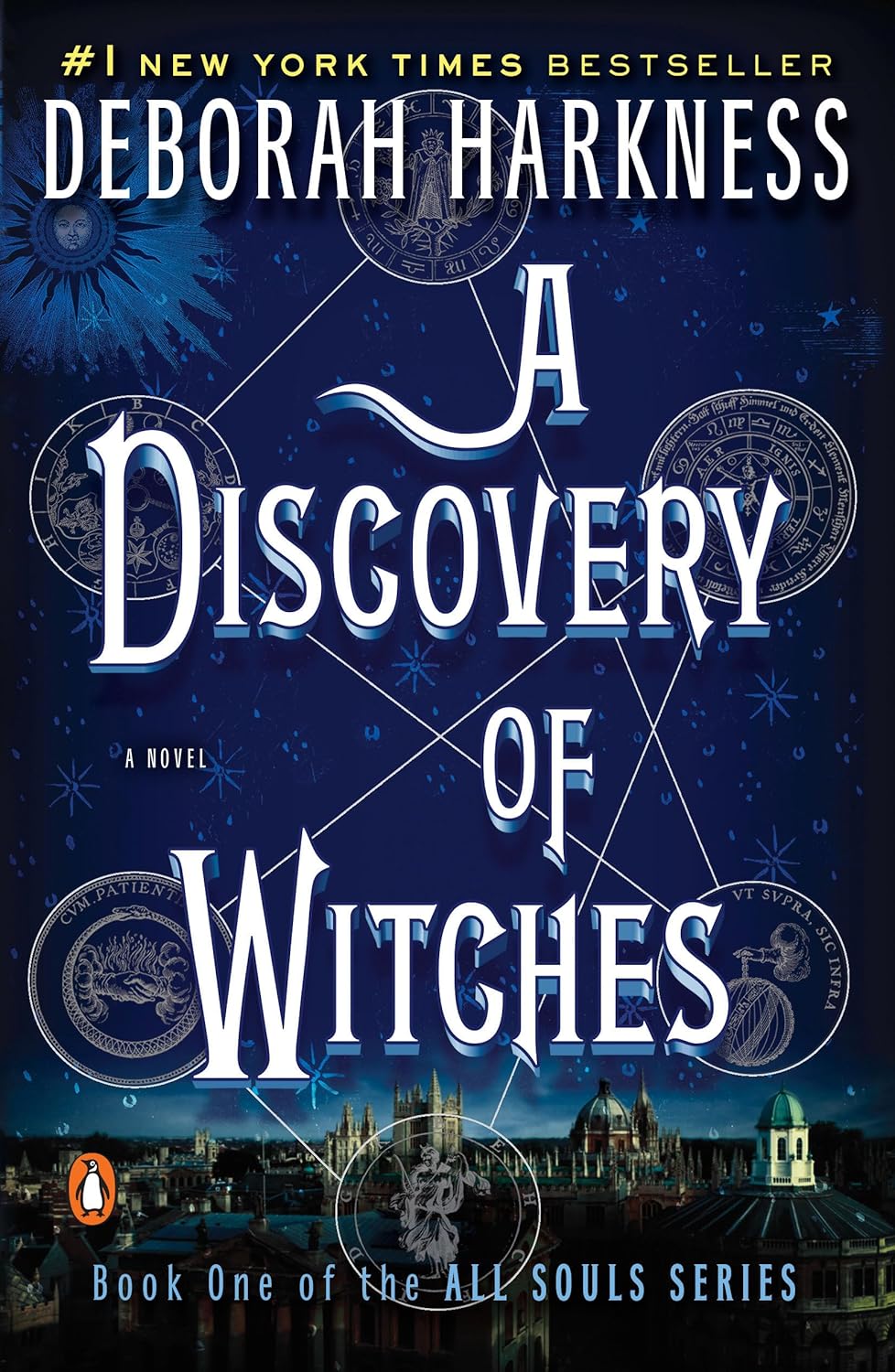
Genre: Historical fantasy with romance
Themes: Alchemy, ancient manuscripts, persecution of knowledge
One-Sentence Review: A witch-scholar discovers a mysterious tome, plunging her into supernatural conflict and historic magical scholarship.
What You Can Expect:
- Protagonists balancing academic rigor with secret supernatural politics.
- Detailed fusion of Renaissance history and magical alchemy.
- Exploration of power struggles through forbidden texts and arcane lore.
- An atmospheric blend of scholarly intrigue and historical fantasy.
The focus on ancient manuscripts and magical scholarship echoes Babel’s silver bars and linguistic magic that underpin empire and control.
5. The Poppy War by R.F. Kuang (2018)

Genre: Grimdark historical fantasy
Themes: Military academies, shamanic magic, imperialism
One-Sentence Review: An orphan rises through a brutal war college, unleashing devastating shamanic powers amid imperialist conflict.
What You Can Expect:
- Protagonists enduring intense academic and military rigors infused with magic.
- A world rooted deeply in Chinese history and brutal colonialism.
- Themes focused on war, resistance, identity, and the moral costs of power.
- Grim realism mixed with dark fantasy elements reflecting historical atrocities.
As Kuang’s precursor to Babel, The Poppy War shares its fierce anti-colonial sentiments and academic radicalism, appealing to fans hungry for hard-hitting historical fantasy.
6. Jonathan Strange & Mr Norrell by Susanna Clarke (2004)

Genre: Historical fantasy
Themes: Regency magic revival, empire, scholarly rivalry
One-Sentence Review: Two magicians resurrect English magic during wartime, navigating political intrigue and arcane conflict.
What You Can Expect:
- Characters withdrawing in and out of magical and imperial power struggles.
- Meticulous world-building blending authentic 19th-century history with fairy magic.
- Themes of empire, knowledge as power, and the consequences of reviving hidden forces.
- A tone rich in academic seriousness, supplemented by whimsical footnotes.
The linguistic magic and imperial critique parallels Babel’s silver-working spells and colonial commentary.
7. The Ten Thousand Doors of January by Alix E. Harrow (2019)

Genre: Historical fantasy with portal magic
Themes: Secret worlds, class oppression, storytelling as resistance
One-Sentence Review: A young woman’s discovery of magical doors opens a breathtaking saga of lost worlds and suppressed stories.
What You Can Expect:
- Characters uncovering hidden realms that symbolize freedom from oppression.
- Blending historical Americana with interdimensional fantasy.
- Themes of identity, defiance through storytelling, and cultural erasure.
- Lyrical narrative style that captivates with its dark, immersive mood.
This novel weaponizes language and knowledge much like Babel, revealing how stories can undermine colonial power structures.
8. Vita Nostra by Marina & Sergey Dyachenko (2018, English translation)

Genre: Dark academia metaphysical fantasy
Themes: Magical university, linguistic transformation, existential horror
One-Sentence Review: In a surreal academy, a student’s reality is rewritten through language, blending academic trials with transcendent terror.
What You Can Expect:
- Characters undergoing transformative academic ordeals connected to language’s power.
- Unique world-building where language and thought mutate reality.
- Themes of identity dissolution, power dynamics, and the pursuit of higher knowledge.
- A claustrophobic and intense dark academia fantasy atmosphere.
Its fixation on translation and metamorphosis aligns closely with Babel’s linguistic magic and complex academic struggles.
9. The Starless Sea by Erin Morgenstern (2019)

Genre: Magical realism fantasy
Themes: Secret libraries, narrative power, guarded stories
One-Sentence Review: A graduate student discovers a secret underground world of stories, plunging into a maze of enchantments and mysteries.
What You Can Expect:
- Richly layered characters navigating mystical libraries and hidden societies.
- Interwoven tales blending fairy tale motifs with scholarly obsession.
- Exploration of storytelling as both power and resistance.
- Dreamlike, atmospheric prose that evokes Babel’s academic allure.
Its portrayal of hidden academic worlds and the subversive nature of stories complements Babel’s narrative of forbidden knowledge and language.
10. She Who Became the Sun by Shelley Parker-Chan (2021)

Genre: Historical fantasy
Themes: Gender disguise, political ambition, empire and rebellion
One-Sentence Review: A peasant girl seizes her brother’s identity to claim an empire’s throne, weaving a queer epic of power and destiny.
What You Can Expect:
- Characters navigating intense political intrigue and military power plays.
- Richly crafted world inspired by 14th-century China’s turbulent history.
- Themes of identity fluidity, anti-imperial rebellion, and fate.
- A sweeping narrative filled with revolutionary zeal and dark ambition.
Its anti-imperial themes and portrayal of empire cycles resonate deeply with Babel’s depiction of the Opium Wars and colonial resistance.
Conclusion
This carefully curated list of 10 Books to Read If You Love Babel captures and extends the unique blend of dark academia fantasy, historical depth, and political complexity that defines R.F. Kuang’s standout novel. Fans who cherished Babel’s intricate portrayal of language as a form of power, its morally ambiguous academic rivalries, and its incisive colonial critique will find these companion reads equally rich with immersive world-building and ethical challenges.
By exploring these books like Babel R.F. Kuang—from secretive scholarly cabals and magical linguistic systems to empire critiques and postcolonial reckonings—readers can deepen their engagement with literary fantasy that entertains while provoking vital reflections on empire, identity, and resistance.
In a literary landscape where fantasy illuminates real-world power struggles, this list connects stories united by a profound meditation on knowledge, authority, and rebellion. Whether you seek historical fantasy books like Babel or the intellectual tension of dark academia fantasy, these ten titles are essential additions to your reading journey.