10 Books to Read If You Love Pachinko: Family, Immigration, and Historical Fiction Gems
Min Jin Lee’s Pachinko stands as a monumental Korean family saga that traces four generations of a Korean family from 1910 to 1989. Beginning with Sunja, a young woman fleeing Japanese-occupied Korea while pregnant, the story unfolds through decades marked by displacement, poverty, war, and resilience. Set against the backdrop of Japanese colonization and World War II, Pachinko explores immigrant struggles, cultural identity, loyalty, sacrifice, racism, and the fierce will to survive amid relentless hardship.
This epic novel’s widespread appeal lies in its immersive storytelling — it humanizes overlooked immigrant histories and family dynamics, resonating deeply with readers drawn to Korean family saga novels and historical immigrant fiction alike. For fans hungry for more narratives rich in emotional depth, complex characters, and sweeping East Asian diasporas, this blog presents 10 Books to Read If You Love Pachinko — a carefully curated list of Min Jin Lee read-alikes and books like Pachinko that echo its core themes of family, identity, and survival.
What Are These Book Recommendations Based On?
The selected books like Pachinko share distinct qualities that make them the perfect follow-ups for readers who appreciate Min Jin Lee’s style and thematic richness. The primary criteria for this list include:
- Multi-generational family sagas spanning decades, mirroring Pachinko’s deep exploration of Korean immigrant life across turbulent historical periods.
- Focus on immigrant experiences and the struggle to preserve cultural identity, especially within Korean or broader East Asian contexts.
- Engagement with themes such as resilience, displacement, survival, and the navigation of historical upheaval — including Japanese occupation, war, exile, and diaspora realities.
- Strong, nuanced character development intertwined with real historic events like Japanese colonial rule or the Korean War.
- Emotional intensity and complexity akin to historical immigrant fiction and Korean family saga novels that offer insight into heritage, sacrifice, and endurance.
In essence, these Min Jin Lee read-alikes promise richly woven lives, multifaceted family bonds, and deep cultural insights, setting the stage for readers who loved Pachinko to discover equally compelling narratives.
1. Homegoing by Yaa Gyasi (2016)

Genre: Historical Fiction
Themes: Multi-generational trauma, African diaspora, colonialism, family resilience
One-Sentence Review: Tracing seven generations of two half-sisters’ descendants from 18th-century Ghana through slavery and migration, Homegoing mirrors Pachinko’s epic scope with its sweeping portrait of displacement and identity loss.
What You Can Expect:
- Multi-generational storylines exposing the long shadows of colonialism and slavery.
- Intricate connections between personal histories and global diasporas.
- Deep emotional exploration of heritage, trauma, and survival.
f you loved Pachinko’s family saga depth and cultural insight, Homegoing stands as a powerful Min Jin Lee read-alike with resonances in historical immigrant fiction.
2. The Apology by Jimin Han (2022)

Genre: Historical Fiction / Family Saga
Themes: Family secrets, aging, Korean heritage, reconciliation
One-Sentence Review: A 105-year-old Korean matriarch living in America writes 40 letters of apology to her estranged family, unfolding a century of heartbreak and resilience.
What You Can Expect:
- Multi-generational storytelling that bridges Korea and America’s immigrant experiences.
- Emotional investigations of regret, endurance, and cultural displacement.
- Intimate character portraits grounded in 20th-century Korean history.
This novel builds on the tradition of Korean family saga novels, perfect for readers seeking books like Pachinko centered on enduring women and family reconciliation.
3. When My Name Was Keoko by Linda Sue Park (2002)

Genre: Young Adult Historical Fiction
Themes: Japanese occupation, identity suppression, sibling bonds, resistance
One-Sentence Review: Siblings Sun-hee and Tae-yul endure forced assimilation during Japan’s occupation of Korea, wielding quiet resistance and deep familial love.
What You Can Expect:
- Dual perspectives highlighting the impact of war and cultural erasure on youth.
- Historical context of name changes, banned language, and underground defiance.
- Focus on maintaining cultural identity under oppressive foreign rule.
This poignant YA story serves as an accessible gateway into historical immigrant fiction, echoing Pachinko’s themes of resilience under occupation.
4. Brother’s Keeper by Julie Lee (2021)

Genre: Middle Grade Historical Fiction
Themes: Korean War, sibling survival, displacement, refugee journeys
One-Sentence Review: Young Sora’s fierce determination to protect her brother during the Korean War evacuation highlights family loyalty amid chaos and danger.
What You Can Expect:
- Harrowing depictions of child refugees fleeing bombed cities.
- Realistic portrayals of fear, hunger, and hope during war.
- Reflections on the lasting scars of conflict across generations.
A compelling Min Jin Lee read-alike for those craving intense Korean family saga novels, centering on survival and sibling bonds during wartime.
5. The Red Palace by June Hur (2022)

Genre: Young Adult Historical Mystery / Fantasy
Themes: Joseon Dynasty intrigue, illegitimacy, palace secrets, justice
One-Sentence Review: Palace nurse Hyeon unearths a deadly conspiracy in 18th-century Korea, combining suspense with vivid cultural detail.
What You Can Expect:
- Historical accuracy blended with gripping mystery and palace politics.
- Exploration of class dynamics and women’s hidden roles in a rigid society.
- Rich sensory depictions of royal Korean life.
For readers desiring books like Pachinko steeped in East Asian historical complexity, this novel immerses you in Joseon-era culture and intrigue.
6. The Forest of Stolen Girls by June Hur (2021)

Genre: Young Adult Historical Mystery
Themes: Joseon Dynasty mysteries, sisterhood, lost memories, disappearances
One-Sentence Review: Sisters Hwani and Maeyol investigate their father’s disappearance amid a backdrop of abductions and forgotten histories in 15th-century Korea.
What You Can Expect:
- An enthralling mystery entwined with family secrets and folklore.
- Layered narrative uncovering trauma and resilience.
- A portrait of sisters bound by loyalty and truth.
This atmospheric work is a strong historical immigrant fiction entry, resonating with Pachinko’s focus on complex family dynamics and erased pasts.
7. Free Food for Millionaires by Min Jin Lee (2022)

Genre: Historical Fiction
Themes: Korean-Japanese diaspora, gambling underworld, forbidden love
One-Sentence Review: Sunja’s journey anchors a multi-generational story of survival through post-WWII hardship, prejudice, and the pachinko parlors that sustained immigrant families.
What You Can Expect:
- Deep dives into Japanese colonial oppression and immigrant life.
- Exploration of family loyalty amid economic desperation.
- Emotional struggles of identity amidst discrimination.
While self-referential, this continued exploration of Free Food for Millionaires themes remains essential for those craving the original Korean family saga novels that inspired this list.
8. The Kitchen Front by Jennifer Ryan (2021)

Genre: Historical Fiction (WWII home front)
Themes: Resilience, female solidarity, wartime adaptation
One-Sentence Review: Amid WWII Britain’s rationing, four women compete in a BBC cooking contest, finding strength and solidarity in hardship.
What You Can Expect:
- Interwoven lives revealing class and cultural divides.
- Themes of ingenuity, perseverance, and community support.
- Subtle parallels to immigrant survival strategies in hostile settings.
This novel provides a thematic bridge within books like Pachinko showcasing generational endurance and the power of family-like bonds in adversity.
9. The Islands by Diamant Dionne (2023)

Genre: Historical Fiction / Family Saga
Themes: Acadian expulsion, maritime diaspora, cultural loss
One-Sentence Review: A family’s forced deportation in 1750s Nova Scotia unfolds with emotional power akin to Asian immigrant displacements.
What You Can Expect:
- Multi-perspective narrative covering exile, survival, and rebuilding.
- Evocative maritime settings symbolizing upheaval and resilience.
- Deeply felt portrayals of cultural identity shattered and reformed.
Expanding the scope of historical immigrant fiction, this story resonates with Pachinko’s themes of diaspora and cultural endurance beyond East Asia.
10. The Lincoln Highway by Amor Towles (2021)
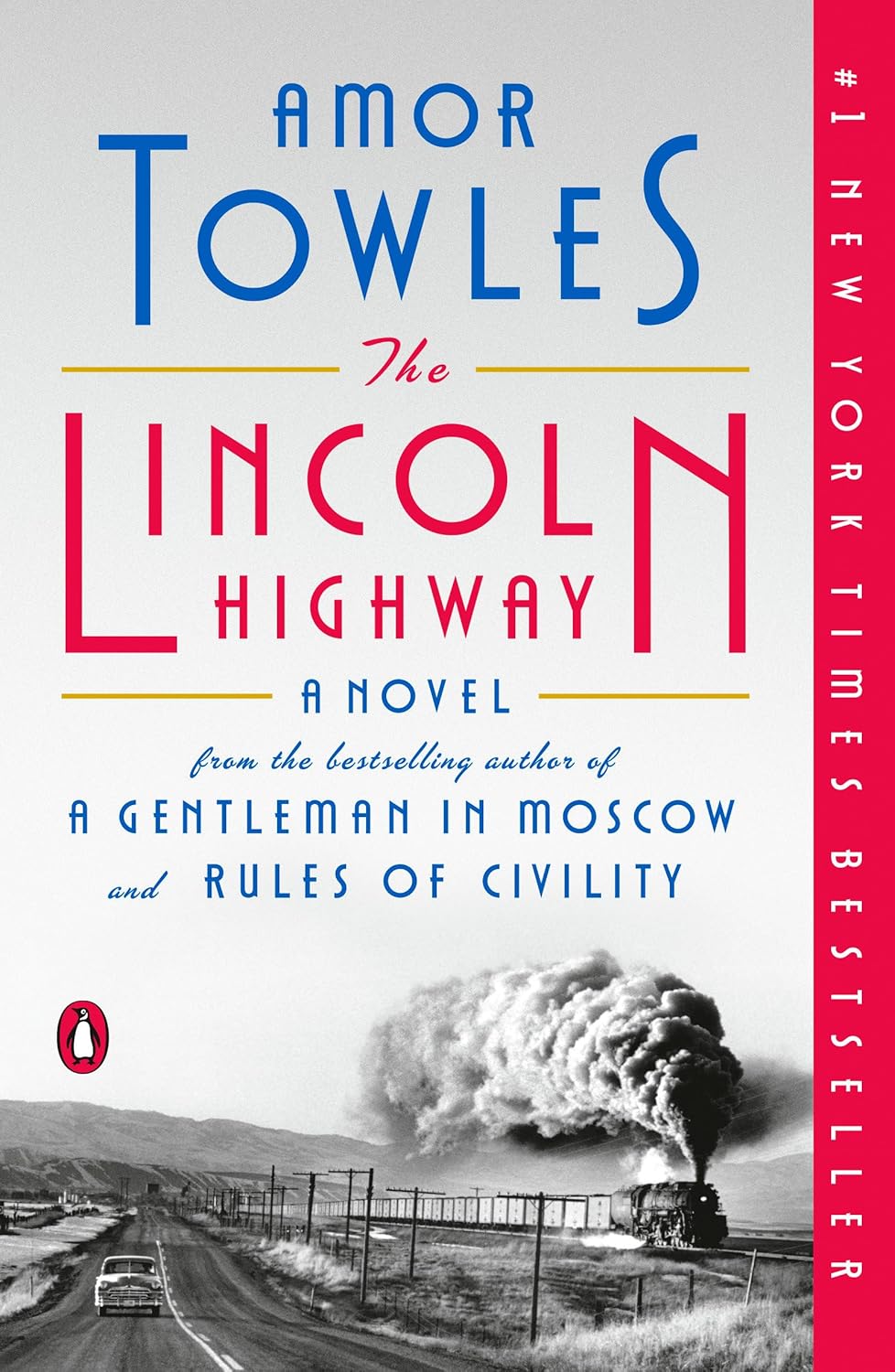
Genre: Historical Fiction
Themes: Post-WWII America, brotherhood, ambition, redemption
One-Sentence Review: Four young men set off on a cross-country journey from Nebraska to New York in 1954, blending adventure with profound explorations of family and identity.
What You Can Expect:
- Vivid depictions of mid-20th-century American life and its challenges.
- Complicated friendships and family relationships tested en route.
- Reflections on displaced individuals seeking new fortunes and purpose.
This finely crafted Min Jin Lee read-alike matches Pachinko’s narrative drive, emotional heft, and rich character arcs, appealing to lovers of historical immigrant fiction.
Conclusion
Together, these 10 Books to Read If You Love Pachinko compose a rich tapestry of Korean family saga novels and historical immigrant fiction that echo Min Jin Lee’s masterpiece. From Korean War refugees and East Asian diaspora tales to wider stories of exile, resilience, and cultural survival, these narratives illuminate the complexities of family, heritage, identity, and sacrifice that define immigrant histories.
If you loved Pachinko, dive into these books for more profound storytelling about enduring family bonds, cultural roots, and the fierce resilience at the heart of immigrant experience. This curated collection, rich with emotional depth and historical context, promises to captivate anyone drawn to stories where survival and identity intertwine across generations.