

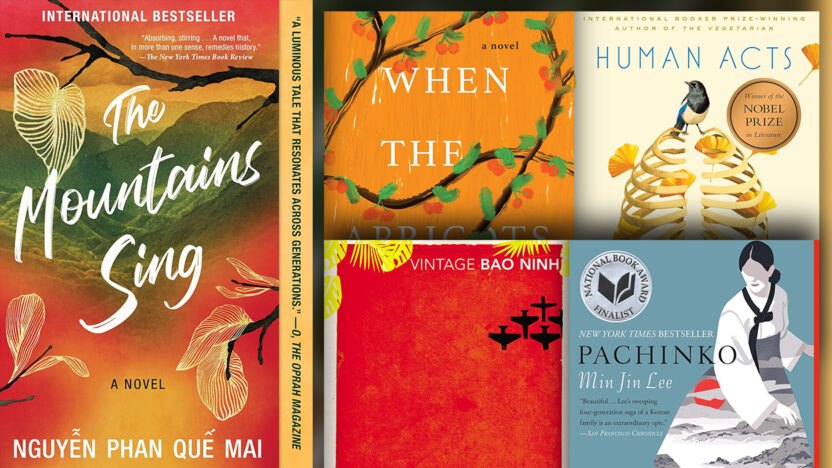
The Mountains Sing by Nguyễn Phan Quế Mai has captured the hearts of readers worldwide since its 2020 release. This critically acclaimed novel is known for its lyrical prose and vivid depiction of Vietnamese history, particularly its portrayal of war, famine, and multi-generational family stories. Through the eyes of resilient women, it explores the profound struggles and triumphs of a nation caught in chaos.
Its popularity has sparked a growing interest in Vietnamese historical fiction, as well as broader family sagas that dive deep into themes of survival, cultural heritage, and resilience amidst conflict. The emotional depth and powerful storytelling have introduced many to the human side of Vietnam’s turbulent past.
If you loved The Mountains Sing and its rich tapestry of war and family stories, this post presents 10 Books to Read If You Love The Mountains Sing—carefully curated titles that offer readers immersive narratives steeped in Vietnamese historical fiction, touching on similar themes and styles as Nguyễn Phan Quế Mai’s work. These selections highlight family bonds across generations, political upheavals, and the unbreakable spirit of women holding their families together during times of war.
What Are These Book Recommendations Based On?
The recommendations listed here are founded on strong thematic and stylistic parallels with Nguyễn Phan Quế Mai’s The Mountains Sing. Each book embodies key elements consistent with Vietnamese historical fiction—focusing especially on war and family stories.
These titles share multi-generational family sagas that intimately portray the human cost of political upheaval, famine, and wartime trauma. Many are set against detailed Vietnamese historical backdrops, while others expand to Southeast Asian or broader Asian contexts, reflecting similar struggles of identity and survival.
The narrative techniques often blend personal diaries, oral histories, or nonlinear storytelling to evoke the immersive and poetic prose style that Nguyễn Phan Quế Mai employs. Central to these stories is the powerful presence of women who sustain family ties amid trauma, echoing the core qualities that make The Mountains Sing so resonant.
Authors chosen as Nguyễn Phan Quế Mai read-alikes are recognized for their ability to evoke emotional and cultural experiences akin to Quế Mai’s storytelling. Though some works reach beyond Vietnam geographically, their shared themes of war and family, survival against adversity, and cultural identity firmly connect them to The Mountains Sing.
In sum, these recommendations are tailored for readers who want books like The Mountains Sing—rich in Vietnamese historical fiction, compelling war narratives, and deeply moving family stories that span generations.
10 Books to Read If You Love The Mountains Sing
Below is a detailed list of 10 exceptional books that complement the themes, genres, and emotional resonance of The Mountains Sing. Each entry includes genre, core themes, and what you can expect from their historical and narrative depths.
1. Pachinko by Min Jin Lee (2017)
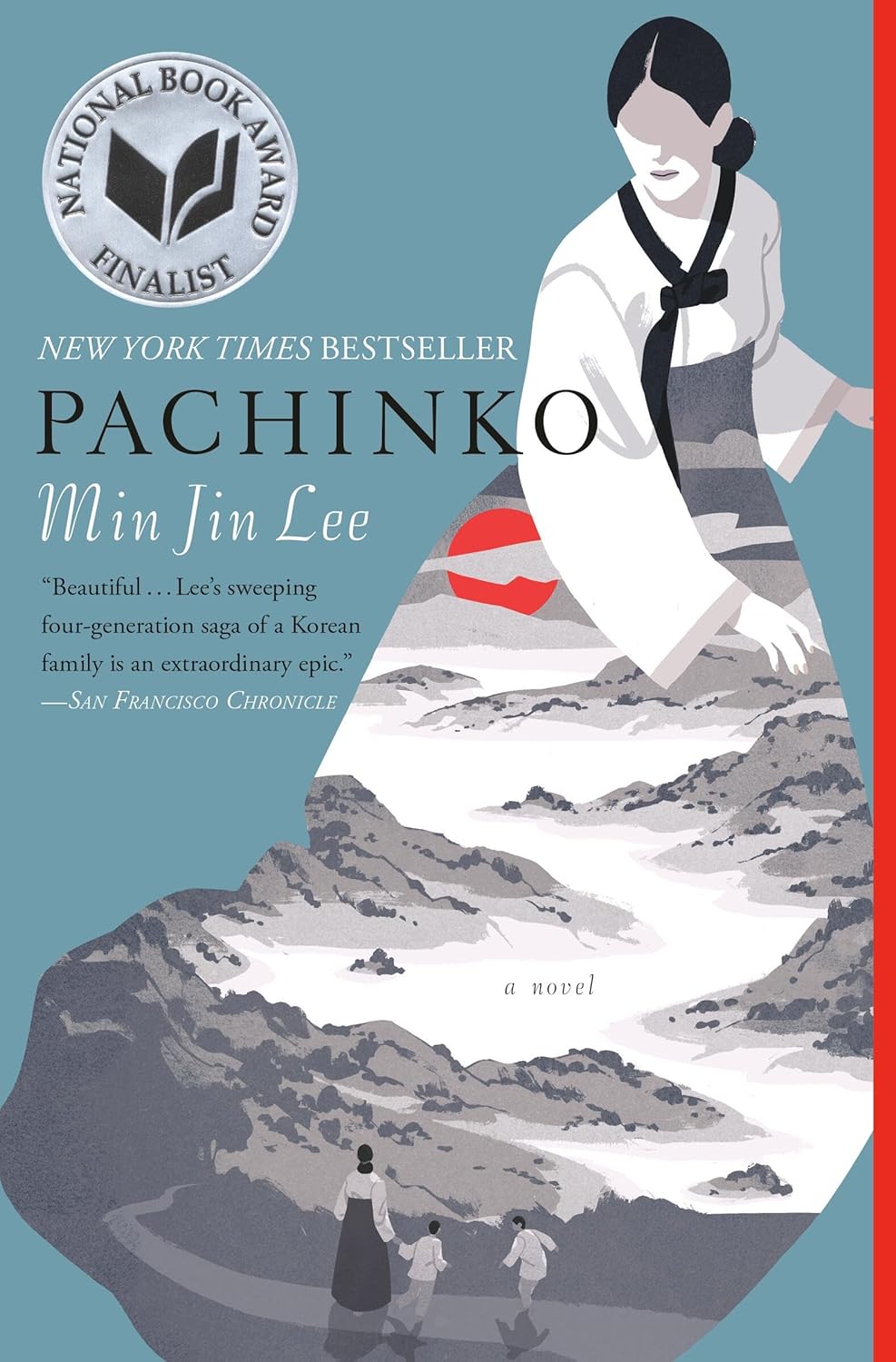
Genre: Korean historical fiction, family saga
Themes: War, displacement, resilience, cultural identity
One-Sentence Review: A sweeping epic of a Korean family enduring the harsh realities of Japanese occupation and diaspora, filled with quiet defiance and unbreakable kinship.
What You Can Expect:
- Pachinko chronicles four generations of a Korean family starting in early 20th-century Korea under Japanese colonial rule and extending through post-WWII migrations to Japan (1910s–1980s). The book explores themes of discrimination, forbidden love, and cultural erasure amid survival in foreign lands. The prose is deliberate and layered, offering a slow-building emotional intensity.
- Narratively, Lee uses a multi-generational saga with close attention to familial loyalty and secrets. Women play strong matriarchal roles, much like Diệu Lan in The Mountains Sing, fostering identity through cultural displacement.
Fans of The Mountains Sing will find Pachinko’s portrayal of war’s generational trauma and resilient family ties deeply affecting, underscoring shared themes of heritage and endurance.
2. Homegoing by Yaa Gyasi (2016)

Genre: African historical fiction, family saga
Themes: Colonialism, slavery, resilience, fractured heritage
One-Sentence Review: Following the divergent descendants of two half-sisters, Homegoing traces centuries of enslavement and diaspora, revealing the lasting chains of history on families.
What You Can Expect:
- Set from 18th-century Ghana through the modern day, Homegoing spans the slave trade to contemporary America (1700s–present). It delves into the loss of homeland, identity reclamation, and the cyclical nature of trauma experienced by families separated by brutal history.
- The narrative uses interlinked vignettes with poetic prose, escalating in emotional weight as it progresses. Generational storytelling crosses oceans, illustrating how fragmented families grapple with inherited pain.
Like The Mountains Sing, this novel’s multi-generational approach and exploration of resilience amidst historical turmoil offer immersive Vietnamese historical fiction fans a compelling read with universal themes.
3. The Sorrow of War by Bao Ninh (1994)

Genre: Vietnamese war fiction
Themes: Vietnam War, loss, memory, psychological trauma
One-Sentence Review: A haunting, nonlinear memoir of a North Vietnamese soldier haunted by love and loss amid relentless combat.
What You Can Expect:
- Set during the Vietnam War from the 1960s to 1975, The Sorrow of War provides a raw, painful perspective of a soldier’s inner turmoil, focusing on survivor’s guilt and the erasure of youth. The narrative style is fragmented and dreamlike, mirroring the chaos of war memories.
- Family and surrogate kin play symbolic roles as lost comrades and loves embody the fractured relationships wrought by war.
This classic Vietnamese war fiction aligns with The Mountains Sing’s unflinching portrayal of intimate war experiences and the shattered fabric of families during conflict.
4. The Sympathizer by Viet Thanh Nguyen (2015)

Genre: Vietnamese-American war fiction, spy thriller
Themes: Vietnam War, identity, betrayal, cultural duality
One-Sentence Review: A communist spy’s sardonic confession exposes divided loyalties and illusions within the chaos of war and exile.
What You Can Expect:
- Focusing on the fall of Saigon and the subsequent refugee diaspora from 1975 onwards, this novel deals heavily with themes of political betrayal and fractured cultural identity. The narrative voice is witty, sharp, and satirical, offering a dynamic contrast to the emotional gravity of The Mountains Sing.
- Family relationships are complex, with allegiance and betrayal straining bonds in exile and displacement.
Readers drawn to The Mountains Sing’s nuanced family and war dynamics will appreciate The Sympathizer’s layered insights into Vietnam War histories and cultural tensions.
5. The Book of Salt by Monique Truong (2003)
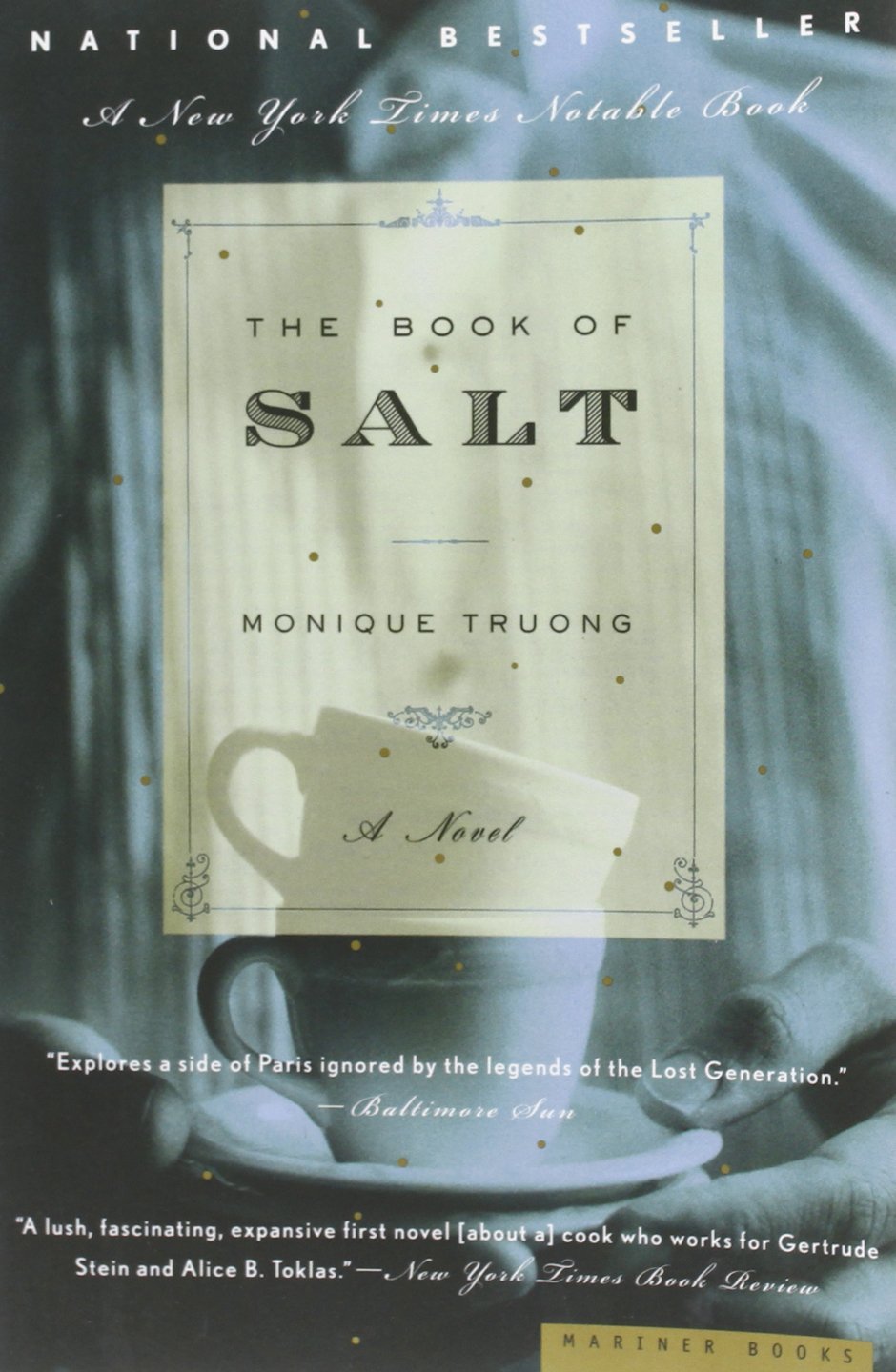
Genre: Vietnamese historical fiction
Themes: Colonialism, exile, identity, queer heritage
One-Sentence Review: A Vietnamese cook serving Gertrude Stein in 1930s Paris reveals a secret life marked by suppressed desires and colonial scars.
What You Can Expect:
- The story spans French Indochina to 1930s Paris, weaving complex themes of servitude, hidden sexuality, and the sensory world of cooking into a lyrical, introspective narrative. Truong’s prose evokes cultural memory and personal exile with emotional richness.
- Family connections are estranged or symbolic, illustrating ruptures caused by colonial history and personal alienation.
The poetic cultural immersion of The Book of Salt complements The Mountains Sing’s deep heritage exploration, making it ideal for readers seeking nuanced Vietnamese historical fiction.
6. When the Apricots Bloom by Angèle Lemlim (2021)

Genre: Iraqi family saga, contemporary historical fiction
Themes: Dictatorship, survival, women’s resilience
One-Sentence Review: Three women in Saddam-era Iraq forge unexpected bonds amid surveillance, secrets, and oppression.
What You Can Expect:
- Set in 2000s Iraq under the Ba’athist regime, this novel explores themes of political repression, sisterhood, and resilience. The narrative unfolds through interwoven female perspectives with taut suspense.
- Family relationships are tested but ultimately a source of strength, echoing the power of women in The Mountains Sing who maintain unity despite systemic fractures.
Though set in Iraq, its focus on women navigating war and oppression parallels the emotional core of The Mountains Sing, making it a poignant read-alike.
7. The Shadow King by Maaza Mengiste (2019)

Genre: Ethiopian historical fiction, war novel
Themes: Italian invasion, resistance, female agency
One-Sentence Review: A servant girl rises to become a warrior in Ethiopia’s fight against fascist occupation, redefining courage and legacy.
What You Can Expect:
- Set during the 1930s Italo-Ethiopian War, this epic yet intimate novel blends historical fact with mythic storytelling. Themes of defiance, sacrifice, and female strength dominate the narrative.
- Family here expands to chosen kin in resistance, underscoring female leadership under siege, much like Diệu Lan’s role in The Mountains Sing.
Its focus on women’s power amid invasion and war family bonds makes it a gripping recommendation for fans of The Mountains Sing’s narrative style and themes.
8. Human Acts by Han Kang (2014)

Genre: Korean historical fiction
Themes: Massacre, grief, collective memory
One-Sentence Review: Voices of victims and survivors haunt the suppressed history of the 1980 Gwangju Uprising in South Korea.
What You Can Expect:
- Set against the backdrop of South Korea’s democracy protests, the novel presents multiple perspectives in polyphonic fragments that convey raw grief and state violence’s impacts. Themes of mourning and solidarity permeate the narrative.
- The story explores how survivors carry the echoes of loss, mirroring generational trauma and family ties fractured by political violence as seen in The Mountains Sing.
Its visceral treatment of war trauma and family grief resonates strongly with readers who appreciate the emotional depth of Vietnamese historical fiction.
9. Memoirs of a Geisha by Arthur Golden (1997)
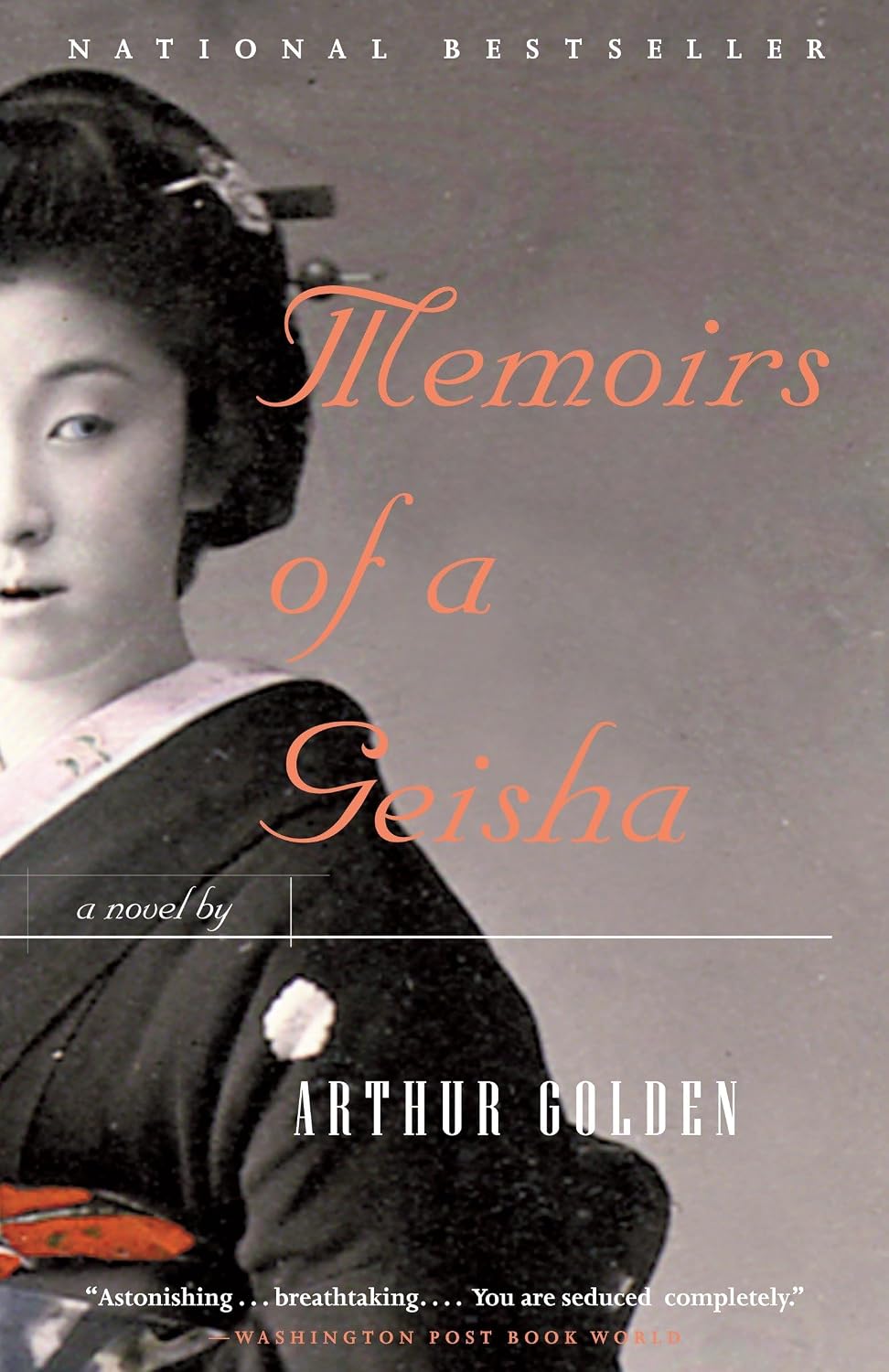
Genre: Japanese historical fiction
Themes: Pre-WWII hardship, resilience, cultural tradition
One-Sentence Review: A girl’s transformation into a geisha navigates betrayal and beauty amid the fading world of traditional Japan.
What You Can Expect:
- Spanning 1920s to 1940s Japan, the novel reveals themes of sacrifice, artistry, and wartime upheaval through immersive first-person memoir style. Sold-away family bonds and social constraints are deeply examined.
- The narrative’s focus on endurance and cultural preservation offers parallels to The Mountains Sing’s depiction of resilient women amid cultural and historical change.
With its vivid cultural saga and emotional survival story, this novel is a fitting read-alike for those drawn to Vietnamese historical family stories.
10. The Garden of Evening Mists by Tan Twan Eng (2012)

Genre: Malaysian historical fiction
Themes: WWII, internment, memory, Southeast Asian identity
One-Sentence Review: A survivor’s journey to create a memorial garden uncovers the scars of Japanese occupation in post-war Malaya.
What You Can Expect:
- Set from the 1940s to 1980s in Malaysia, this atmospheric novel explores forgiveness, trauma, and healing through nature’s symbolism. The nonlinear narrative elegantly weaves past and present.
- Family relationships are shadowed by loss and cultural dislocation, echoing themes of memory and resilience found in The Mountains Sing.
Its lyrical treatment of Southeast Asian war histories and family legacies makes it a powerful recommendation for fans seeking books like The Mountains Sing.
Conclusion
Vietnamese historical fiction and multi-generational family sagas like The Mountains Sing endure because they humanize the chaos of war through stories of survival, cultural identity, and poetic resilience. Nguyễn Phan Quế Mai’s novel has opened readers’ eyes to Vietnam’s complex history—from the Land Reform era to the Vietnam War’s aftermath—and the unyielding spirit of women keeping families intact.
For those who have been moved by The Mountains Sing, the 10 Books to Read If You Love The Mountains Sing outlined here provide further insight into Vietnam’s turbulent past and broader Southeast Asian and Asian narratives. These Nguyễn Phan Quế Mai read-alikes offer rich, resonant perspectives on war, fractured families, survival, and the cultural legacies that shape generations.
Dive into these remarkable stories to continue your journey with Vietnamese historical fiction and war and family stories that echo the hope and heartbreak captured so beautifully in The Mountains Sing.


