


10 Books to Read If You Love The Paris Architect
Discover The Paris Architect by Charles Belfoure
The Paris Architect is a compelling WWII historical fiction novel written by Charles Belfoure. Set in Nazi-occupied Paris in 1942, the story follows Lucien Bernard, an architect whose unique skills lead him to design secret hiding places to protect Jews from persecution. This novel stands out because it combines detailed architectural knowledge with the tense moral drama of war. Lucien’s technical expertise becomes a tool for underground resistance, as he faces difficult, life-altering decisions.
Unlike many war novels, The Paris Architect delves deep into the subtle struggles of one man navigating a dangerous world. It explores themes found in stories about architects in war—how professional craft can become an act of defiance. This blend of carefully constructed spaces and quiet heroism earns the book the label of a hidden hero wartime novel.
The book’s appeal spreads beyond just fans of WWII fiction. It became a New York Times bestseller, showing widespread interest in stories like The Paris Architect—those that fuse historical accuracy with moral complexity and architectural detail. Readers are increasingly drawn to books like The Paris Architect, craving emotional depth and ethical tension wrapped in authentic wartime settings.
What Are These Book Recommendations Based On?
This recommended list is specifically tailored for readers who enjoyed The Paris Architect and are looking for similarly rich novels. The criteria for selection emphasize:
- WWII Historical Fiction Featuring Architecture or Architects: These books centralize architecture or the role of architects within wartime stories. The professional skills—whether designing, engineering, or crafting hidden spaces—play crucial roles in the plot, reflecting the blend of technical detail and storytelling seen in Charles Belfoure’s novel. This focus satisfies readers seeking stories about architects in war.
- Hidden Heroism and Clandestine Rescue Themes: Following the tone of The Paris Architect, the list prioritizes quiet, hidden hero wartime novels. These narratives highlight acts of courage carried out in secret: building escape routes, creating safe havens, or risking everything in understated but powerful ways rather than glorifying frontline combat.
- Immersive, Historically Accurate Settings: The books provide vivid glimpses into wartime Europe. They recreate the tense atmosphere of occupied cities, ghettos, and resistance networks, offering readers a strong sense of the period. This immersive quality helps replicate the authentic feel that defines The Paris Architect.
- Moral Complexity and Ethical Dilemmas: Like Lucien Bernard’s gradual moral transformation, these novels explore the difficult choices faced by characters pressured by occupation, persecution, and survival. Ethical tension and layered character development are fundamental.
- Appeal to Charles Belfoure Read-Alikes and Specialized Protagonists: Many of the recommended novels feature protagonists who use specialized professional skills—architectural, engineering, or spatial—to navigate wartime challenges. This focus aligns with readers specifically searching for Charles Belfoure read-alikes or books like The Paris Architect.
Together, these criteria produce a list designed to satisfy readers craving technically rich, morally complex WWII fiction that spotlights hidden heroism through architecture or related skills.
1. House of Thieves by Charles Belfoure (2016)

Genre: WWII Historical Fiction
Themes: War, Architecture and Technical Skill, Hidden Heroism, Moral Dilemmas, Nazi Occupation
One-Sentence Review: Combining detailed architectural ingenuity with a gripping moral journey, The Paris Architect presents a tense and intimate portrait of quiet resistance during WWII.
What You Can Expect From This Book:
- Deeply immersive Paris setting during Nazi occupation, full of period detail and atmosphere.
- Architectural expertise used to build secret hiding places—concealed rooms and camouflaged spaces protect lives.
- Understated heroism as the protagonist shifts from self-interest to courageous acts.
- Complex moral and emotional stakes involving risk, loyalty, and survival.
- Narrative suspense built around concealment and ethical tension rather than battlefield action.
- Strong historical research provides authenticity in both setting and architectural descriptions.
Fans of Charles Belfoure’s work will appreciate how this debut novel fuses technical mastery and a transformative moral arc. Lucien Bernard exemplifies the hidden hero, using design and intellect as tools of resistance, making The Paris Architect a compelling read for those drawn to stories about architects in war.
2. The Light Between Oceans by M.L. Stedman (2012)

Genre: Historical Fiction (WWII Era)
Themes: Moral Dilemmas, Isolation, Hidden Truths, Emotional Conflict
One-Sentence Review: A deeply moving novel about love, loss, and the weight of secret choices made during a turbulent historical period.
What You Can Expect From This Book:
- Post-WWI Australian coastal setting, with period-accurate detail and emotional mood.
- While not architectural in the strict sense, the protagonist’s practical knowledge of lighthouse keeping parallels the technical focus in The Paris Architect.
- Hidden heroism expressed through protecting a found child amidst moral ambiguity.
- Personal ethical crises reflecting the costs of wartime trauma and secrecy.
- Slow-building narrative tension around profound emotional and moral challenges.
- Authentic depiction of isolation and human resilience.
Though not focused on architects or WWII Europe, this novel’s exploration of moral complexity and protective secrecy appeals to readers interested in hidden hero wartime novels. Its intimate emotional scope complements the subtle heroism found in The Paris Architect.
3. The Tattooist of Auschwitz by Heather Morris (2018)

Genre: Historical Fiction / Memoir-Inspired WWII Novel
Themes: Holocaust Survival, Hidden Heroism, Moral Courage, Nazi Occupation
One-Sentence Review: A harrowing true-story-inspired narrative of quiet heroism and survival in the darkest Holocaust camps.
What You Can Expect From This Book:
- Intense, claustrophobic WWII European setting with vivid detail of Auschwitz camp life.
- Protagonist’s specialized role (tattooist) imbues the story with unique technical insight akin to architectural expertise.
- Hidden heroism portrayed through acts of resistance and care under brutal oppression.
- Moral dilemmas revolve around survival ethics and risking reprisal.
- Pacing driven by suspenseful concealment and emotional endurance.
- Strong foundation in survivor testimony enhances historical accuracy.
This title resonates with fans of The Paris Architect due to its focus on specialized wartime roles and courageous acts carried out quietly under immense risk. Its portrayal of moral courage in a horrific setting expands the scope of hidden hero wartime novels.
4. The Architect’s Apprentice by Elif Shafak (2013)

Genre: Historical Fiction (16th Century Ottoman Empire)
Themes: Architecture, Professional Skill, Cultural Conflict, Moral Growth
One-Sentence Review: A richly textured novel blending architectural brilliance and personal transformation amid political intrigue.
What You Can Expect From This Book:
- Immersive historical setting centered around imperial Istanbul, full of architectural detail.
- Protagonist serves as an apprentice to the legendary architect Sinan—showcasing architectural creativity and technical mastery.
- Themes of hidden courage and moral challenge arise through the apprentice’s struggles within power structures.
- Moral dilemmas entwined with issues of loyalty, identity, and artistic integrity.
- Narrative style weaves personal and professional growth with historical detail.
- Well-researched architectural and cultural background.
While not a WWII story, this novel offers readers fascinated by architectural craft in historical fiction a deeply rewarding experience. If you liked the technical artistry and moral complexity in The Paris Architect, this book provides a rich exploration of related themes in a different era.
5. The Mapmaker’s Wife by Robert Whitaker (2004)
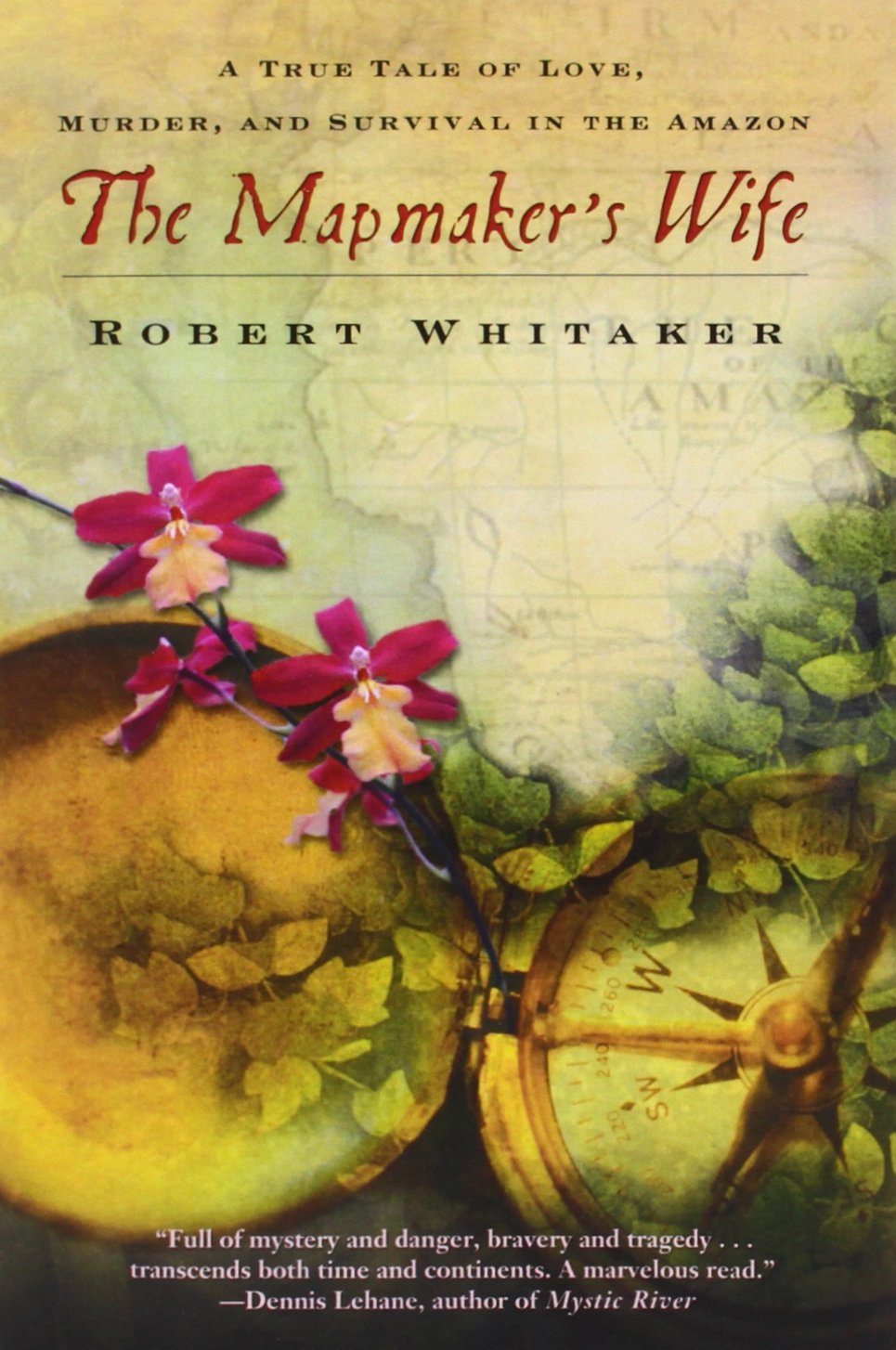
Genre: WWII Historical Fiction
Themes: War, Cartography and Spatial Genius, Hidden Heroism, Love and Survival
One-Sentence Review: A gripping WWII tale of love, courage, and the power of maps to guide survival through dangerous times.
What You Can Expect From This Book:
- Vividly depicted WWII Europe setting, emphasizing the Netherlands and underground resistance.
- Cartography and spatial knowledge play pivotal roles, echoing architectural themes of spatial understanding.
- Protagonists use secret maps and safe routes to hide and rescue refugees.
- Acts of hidden heroism with overwhelming moral stakes.
- Narrative suspense tied to evasion and ethical decisions under Nazi threat.
- Strong period detail reflects thorough historical research.
For readers who appreciated the clever use of spatial skills in The Paris Architect, this novel’s focus on maps and hidden paths offers a parallel narrative of clandestine rescue and ethical courage, making it an ideal Charles Belfoure read-alike.
6. The Women’s War by Jenna Glass (2018)
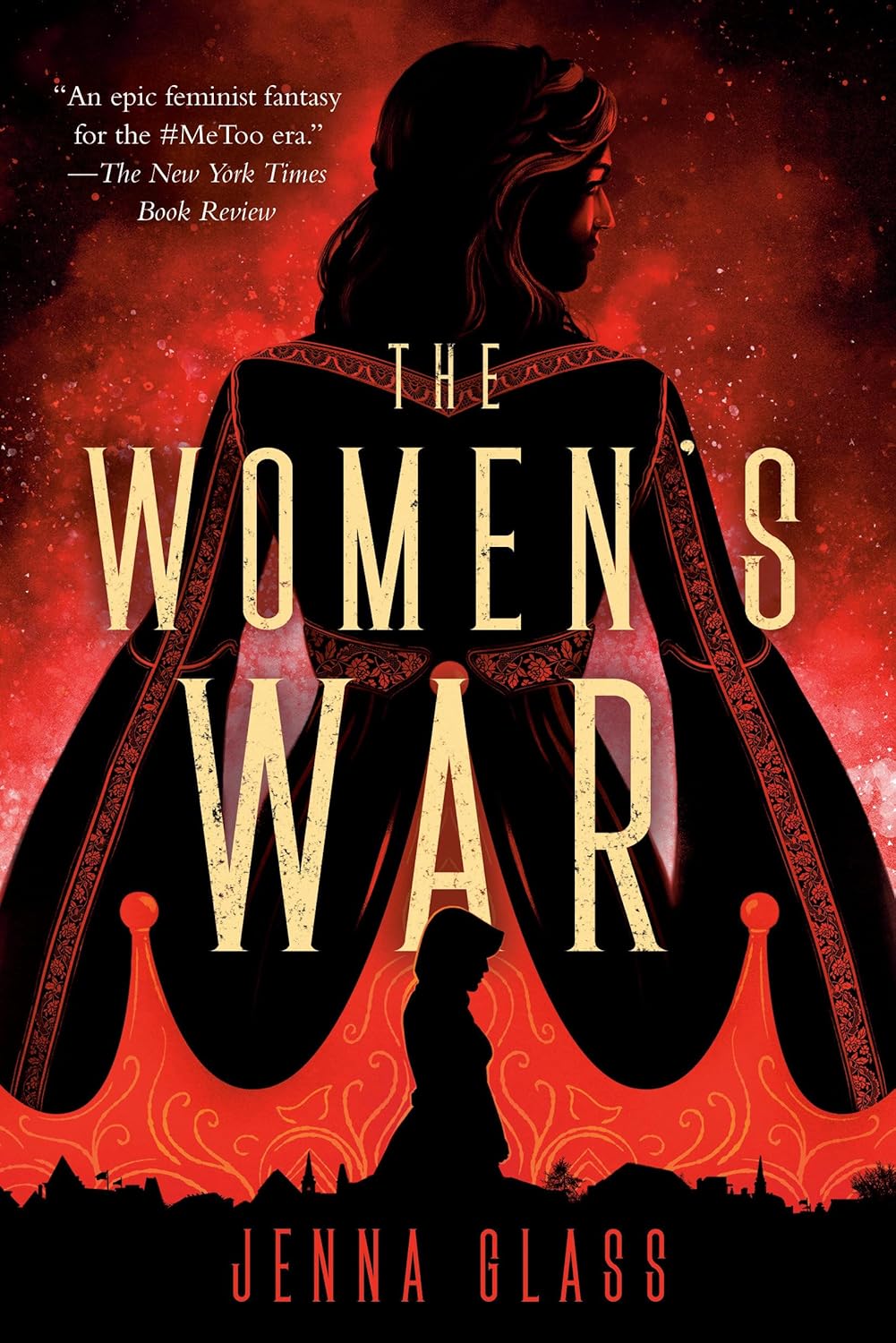
Genre: WWII Historical Fiction
Themes: Underground Resistance, Female Heroism, Moral Complexity, Wartime Survival
One-Sentence Review: A poignant and tense story of women’s covert resistance efforts behind Nazi lines.
What You Can Expect From This Book:
- Immersive WWII Polish setting, highlighting the Warsaw Ghetto and resistance movements.
- While architecture is not the focus, the clandestine nature of hidden spaces and secret activities mirrors themes in The Paris Architect.
- Central themes of hidden hero wartime novels abound—quiet resistance and moral risk taken by ordinary people.
- Narrative explores difficult ethical decisions under harsh oppression.
- Pacing driven by suspense and tension around secrecy and survival.
- Detailed historical accuracy offers authentic portrayal of wartime struggles.
Readers seeking moral complexity and undercover heroism will find this novel’s focus on underground defiance resonates with the spirit of The Paris Architect. Although its protagonist is not an architect, the hidden hero theme is a perfect match.
7. Stolen Summers by Anne Goodwin (2022)

Genre: WWII Historical Fiction
Themes: Hidden Spaces, Family Survival, War’s Moral Complexity, Resistance
One-Sentence Review: A tightly woven narrative of concealed refuge and the emotional costs of harboring secrets during war.
What You Can Expect From This Book:
- WWII European setting emphasizing occupied France and civilian survival.
- Focus on concealed rooms and secret refuges, echoing architectural elements central to The Paris Architect.
- Central theme of hidden heroism through protection of vulnerable individuals.
- Emotional and moral stakes are high as characters weigh risks to themselves and others.
- Suspenseful, intimate storytelling with an emphasis on ethical tension rather than battlefield action.
- Historically accurate depiction supported by detailed period research.
If you liked The Paris Architect’s focus on hiding places and the moral complexity of rescue, Stolen Summers is a compelling read. Its detailed portrayal of secret spaces and quiet courage makes it a true Charles Belfoure read-alike.
8. The Engineer’s Wife by Tracey Enerson Wood (2018)

Genre: WWII Historical Fiction
Themes: Engineering, War Effort, Women’s Roles, Emotional and Moral Challenges
One-Sentence Review: A vivid portrayal of emotional resilience and technical ingenuity amid the turmoil of WWII Germany.
What You Can Expect From This Book:
- WWII German setting, focusing on the home front and covert resistance.
- Protagonist’s engineering knowledge frames the narrative, offering a professional skillset akin to architecture.
- Highlights hidden heroism in subtle, personal acts of defiance rather than combat glory.
- Explores moral complexity in navigating war loyalties and personal convictions.
- Balanced pacing with a focus on character-driven suspense and ethical dilemmas.
- Well-researched historical background provides credible wartime atmosphere.
This novel appeals to readers drawn to professional protagonists wielding technical skills during WWII. If you liked The Paris Architect for its depiction of technical mastery and moral tension, The Engineer’s Wife offers a thoughtful parallel.
9. The Red Notebook by Antoine Laurain (2014, English translation 2016)

Genre: Historical Fiction (Post-WWII Paris)
Themes: Memory, Architecture, Personal Transformation, Post-War Europe
One-Sentence Review: A tender exploration of love and identity set against the architectural landscapes of post-war Paris.
What You Can Expect From This Book:
- Post-war Paris setting, rich in urban atmosphere and period detail.
- Architecture and urban spaces feature prominently, though plot centers more on personal memory and discovery.
- Presents subtle heroism in emotional and psychological realms rather than direct wartime resistance.
- Themes of hidden truths and moral reflection.
- Narrative pace is gentle and reflective, focusing on character growth.
- Historical accuracy bolsters immersive depiction of Paris’s reconstruction period.
While less focused on wartime action, this novel’s architectural framing and emotional complexity provide readers with a complementary experience to The Paris Architect. Its Parisian setting and sense of place are particularly appealing to fans of Charles Belfoure.
10. The Warsaw Orphan by Kelly R. Barnhill (2020)

Genre: WWII Historical Fiction
Themes: Hidden Heroism, Survival, Moral Dilemmas, Resistance Networks
One-Sentence Review: A powerful story of courage and compassion amid the horrors of Nazi-occupied Warsaw.
What You Can Expect From This Book:
- Detailed setting in Nazi-occupied Warsaw, emphasizing ghetto life and underground networks.
- Focuses on characters who act as hidden heroes, rescuing and protecting children.
- Themes of moral ambiguity and ethical courage dominate the narrative.
- Suspense and tension linked to secrecy and life-threatening danger.
- Inner emotional struggles balance outward resistance efforts.
- Meticulous historical research contributes to authentic atmosphere.
Readers who loved the hidden hero wartime novel aspect of The Paris Architect will appreciate this emotionally charged story of rescue and quiet bravery. Its moral weight and period fidelity align well with Charles Belfoure read-alikes.
Conclusion
This carefully chosen collection of 10 books offers readers compelling WWII historical fiction that intertwines architecture or spatial craft with hidden heroism and profound moral complexity. These novels reflect the qualities that make The Paris Architect by Charles Belfoure so resonant: the use of professional skill—whether architectural, engineering, or spatial—to save lives under extreme danger; richly detailed and immersive settings transported to occupied Europe; and protagonists who wrestle with tough ethical decisions that redefine their courage and identity.
If you liked The Paris Architect for its blend of technical ingenuity, historical accuracy, and layered protagonist moral transformation, these Charles Belfoure read-alikes promise equally enriching and immersive experiences. By exploring these books, readers can deepen their appreciation of wartime moral courage, the creative power of architecture under constraint, and the silent heroism that unfolds behind closed doors in some of history’s darkest moments.
Explore these stories to find new insights into the complex human spirit echoed in the hidden hero wartime novels you love.


