10 Books to Read If You Love The Water Knife
Paolo Bacigalupi’s The Water Knife stands as a landmark eco-thriller that explores the harrowing realities of water scarcity and environmental dystopia in the near-future American Southwest. This novel delves deeply into water politics, societal collapse, resource conflicts, and environmental injustice, crafting a vivid and unsettling vision of a dry, resource-starved world. It’s widely acclaimed and cherished among fans of speculative fiction about water scarcity and eco-thriller speculative fiction.
If you like The Water Knife and its unflinching look at climate-driven crises, this guide presents a curated list of 10 novels and nonfiction works that capture similar thematic and tonal elements. These books offer stories and studies rich in climate fiction drought novels, environmental dystopias, and gripping Bacigalupi read-alikes, perfect for readers seeking books like The Water Knife.
What Are These Book Recommendations Based On?
This list is crafted specifically for readers seeking novels and nonfiction that echo The Water Knife’s core concerns: climate fiction drought novels, speculative fiction about water scarcity, and environmental dystopia book recommendations.
The selections focus on narratives centered around apocalyptic or near-future climate change, drought, resource conflicts, and environmental dystopia. Blending genres—eco-thrillers, hard sci-fi extrapolation, literary dystopia, and narrative nonfiction—the list reflects diverse storytelling modes while maintaining thematic fidelity.
You will find Bacigalupi read-alikes here, designed to satisfy the demand for complex portrayals of ecological collapse, societal stratification, and the politics of scarce resources. These titles reflect the intricate web of climate challenges dramatized in eco-thriller speculative fiction, making this list ideal for those who desire books like The Water Knife.
10 Recommended Books to Read If You Love The Water Knife
1. Memory of Water by Emmi Itäranta (2012)

Genre: Climate fiction / dystopian literary speculative fiction
Themes: Water scarcity, state control of resources, memory and history, gender and knowledge
One-Sentence Review: A lyrical, close-up dystopia about secret knowledge and communal survival that echoes The Water Knife’s focus on water as the axis of power and daily life.
What to Expect from This Book: The story follows a young protagonist, the daughter of a tea master, who uncovers deep secrets about water at a time when freshwater is tightly rationed by authoritarian forces. The novel’s world-building revolves around small, tightly controlled communities where water scarcity dictates social rituals and government control is pervasive. Itäranta’s narrative wrestles with questions of who holds knowledge of the essential resource and how culture and memory endure amid ecological stress.
Its intimate voice and portrayal of water as cultural capital make Memory of Water an essential read for fans of The Water Knife, especially those interested in the personal and societal dimensions of water scarcity in climate fiction drought novels.
2. The Drowned World by J. G. Ballard (1962)

Genre: Classic climate fiction / speculative dystopia
Themes: Rising seas, ecological transformation, psychological collapse, urban decay
One-Sentence Review: An atmospheric, hallucinatory vision of environmental collapse that complements The Water Knife’s sense of landscape reshaped by climate extremes.
What to Expect from This Book: Set in a post-catastrophe future, the novel follows survivors in cities transformed into tropical lagoons through rising temperatures and flooded landscapes. The world-building features flooded megacities dominated by heat and altered ecosystems, provoking existential questions about human adaptation and the psychological effects of environmental devastation.
Ballard’s classic offers a stylistic and thematic counterpoint to Bacigalupi’s eco-thriller approach, providing an existential take on environmental dystopia that expands the scope of speculative fiction about water scarcity.
3. New York 2140 by Kim Stanley Robinson (2017)

Genre: Climate fiction / social speculative fiction
Themes: Sea-level rise, urban adaptation, economic inequality, institutional responses
One-Sentence Review: An ensemble, policy-minded imagining of a flooded metropolis that pairs well with The Water Knife’s focus on institutional failure and social stratification under climate stress.
What to Expect from This Book: The narrative weaves together multiple characters living in a semi-submerged New York City. Robinson’s world-building details infrastructural and political adaptations to rising waters, likening flooded streets to canals and exploring new industries and cooperative politics. The novel raises profound questions regarding collective mitigation efforts and how governance and class shape survival and adaptation.
Readers drawn to systemic views of climate impacts and resource politics will find New York 2140 an illuminating Bacigalupi read-alike that broadens understanding of eco-thriller speculative fiction.
4. The Sea and Summer (also called The Drowning Towers) by George Turner (1987)

Genre: Climate dystopia / social speculative fiction
Themes: Greenhouse-induced climate shifts, class stratification, scarcity, migration
One-Sentence Review: A prophetic look at climate-induced social stratification that mirrors The Water Knife’s portrayal of environmental inequality and human costs.
What to Expect from This Book: Set in a near-future Australia fractured by climate change, this novel contrasts the insulated elite and impoverished masses. The dystopian world features caste-like divisions, climate refugees, and entrenched corporate and state powers that control resources. Thematically it interrogates institutionalized environmental injustice and the forms of resistance that arise.
Turner’s incisive social critique resonates with readers who appreciated the grounding of climate fiction drought novels in realistic examinations of power, privilege, and ecological exploitation found in The Water Knife.
5. Cadillac Desert: The American West and Its Disappearing Water by Marc Reisner (1986)

Genre: Investigative nonfiction / environmental history
Themes: Water politics, dams and diversion, institutional corruption, historical roots of scarcity
One-Sentence Review: The authoritative history behind the real water conflicts dramatized in The Water Knife, offering essential context for the novel’s fictional world.
What to Expect from This Book: Reisner presents detailed historical accounts of irrigation, dam projects, and the political maneuvers that forged the American West’s water policies. The narrative exposes bureaucratic and engineering systems that enabled water hoarding and institutional corruption. Thematic inquiries involve how past policy decisions laid the groundwork for current scarcity and social inequality.
This nonfiction classic grounds readers in the factual realities behind speculative fiction about water scarcity, enriching understanding for those who want a deeper grasp of the institutional struggles featured in Bacigalupi’s work.
6. The Dog Stars by Peter Heller (2012)

Genre: Post-apocalyptic literary fiction / survival fiction
Themes: Environmental collapse, infrastructure failure, personal survival, community formation
One-Sentence Review: A tender, character-driven survival story set in a ruined world that captures the intimate, gritty experience of daily existence darkened by societal collapse, akin to The Water Knife.
What to Expect from This Book: This novel follows a pilot navigating loneliness and limited resources in a post-pandemic America. The world is portrayed through detailed survival logistics focusing on essentials such as fuel, food, and shelter rather than advanced technology. The story probes moral endurance and the fragile hope of human connection when civilizations fail.
Heller’s nuanced survival narrative complements Bacigalupi’s eco-thriller speculative fiction, rewarding readers who value the grounded portrayal of personal stakes amid environmental dystopia.
7. Parable of the Sower by Octavia E. Butler (1993)
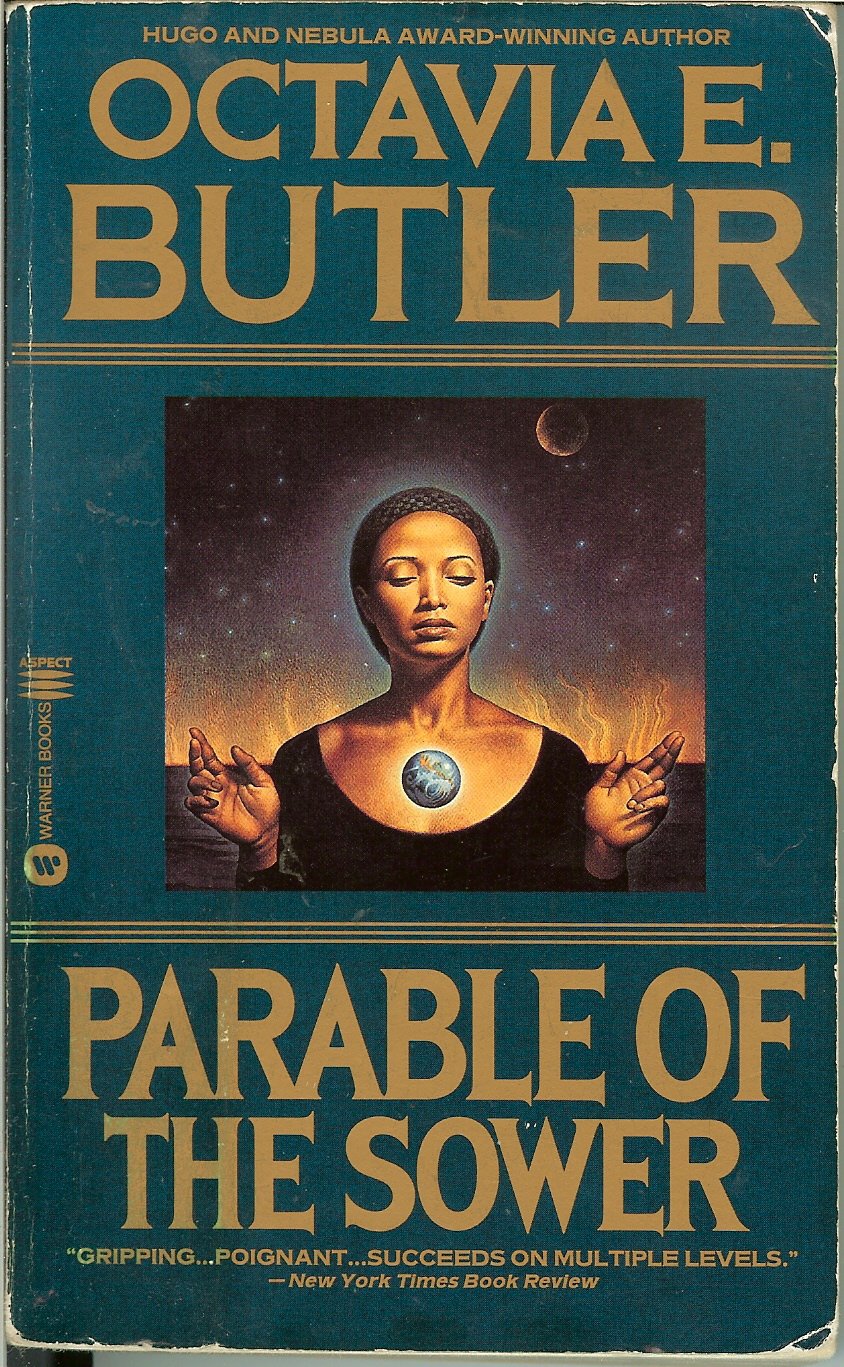
Genre: Afrofuturist cli-fi / social dystopia
Themes: Climate-exacerbated collapse, migration, community-building, moral and ethical leadership
One-Sentence Review: A visionary coming-of-age narrative that charts the rise of a new ethical community amid climate-driven social collapse, sharing The Water Knife’s focus on violent resource competition and displacement.
What to Expect from This Book: The protagonist flees a violent, resource-deprived neighborhood and forms a community based on a newly developed belief system. The novel’s world includes militarized urban zones, barter economies, and proto-religious movements, exploring how new social and moral orders emerge under duress.
Butler’s blend of social insight and survivalist plotting offers a powerful Bacigalupi read-alike that deepens readers’ appreciation for the socio-political dimensions inherent in climate fiction drought novels.
8. The Last Oasis: Facing Water Scarcity by Sandra Postel (2014)

Genre: Environmental nonfiction / policy analysis
Themes: Global water scarcity, governance, solutions, equity in resource management
One-Sentence Review: A global examination of freshwater crises that contextualizes The Water Knife’s regional water conflicts within worldwide environmental challenges and policy responses.
What to Expect from This Book: Postel analyzes water scarcity worldwide, offering case studies and policy strategies to mitigate freshwater stress. The narrative dissects agricultural demands, institutional responses, and governance innovations, addressing practical questions about conservation and equitable water management.
Readers looking to supplement eco-thriller speculative fiction with evidence-based perspectives will find this nonfiction essential in bridging imaginative crises with real-world solutions.
9. The Road by Cormac McCarthy (2006)

Genre: Post-apocalyptic literary fiction
Themes: Societal collapse, survival ethics, scarcity, parental love
One-Sentence Review: A stark, emotional meditation on survival and human morality set amid environmental ruin, echoing The Water Knife’s bleak stakes and ethical complexities.
What to Expect from This Book: The narrative follows a father and son journeying through an ash-covered landscape as they seek safety and scarce resources. The world-building is minimal but emotionally powerful, portraying a lawless, resource-starved world. The novel probes the boundaries of ethics and hope when survival hangs by a thread.
McCarthy’s emotionally resonant approach complements the action-driven narratives of climate fiction drought novels, offering readers a profound exploration of human endurance under collapse akin to Bacigalupi’s themes.
10. The Water Will Come: Rising Seas, Sinking Cities by Jeff Goodell (2017) (Nonfiction)

Genre: Environmental journalism / climate reporting
Themes: Sea-level rise, urban vulnerability, policy challenges, adaptation strategies
One-Sentence Review: An investigative expose on coastal cities threatened by rising water that pairs with The Water Knife by translating speculative urgency into documented realities and adaptation debates.
What to Expect from This Book: Through field reporting and interviews with scientists and policymakers, Goodell presents the imminent dangers of sea-level rise. The book provides concrete examples of infrastructure failures and adaptive efforts in coastal urban zones, highlighting which populations are at greatest risk and how politics influence outcomes.
This nonfiction complements Bacigalupi’s eco-thriller speculative fiction with a grounded exploration of climate change’s real-world impacts, broadening readers’ grasp of apocalyptic climate change novels’ factual underpinnings.
Conclusion
Books that confront climate change, water scarcity, and environmental dystopias strike a vital chord in today’s speculative fiction and eco-thrillers. These 10 recommended titles expand on the enduring appeal of The Water Knife, emphasizing its core themes of moral ambiguity, brutal survival, institutional failure, and the fracturing of society under climate pressure.
Whether you’re seeking books like The Water Knife that replicate its eco-thriller speculative fiction intensity or looking for climate fiction drought novels that broaden thematic insight, this list offers a rich, varied reading experience. From intimate literary dystopias and hard sci-fi extrapolations to incisive nonfiction explorations of water politics, these Bacigalupi read-alikes and apocalyptic climate change novels deepen your understanding of ecological crises and human resilience.
If you like The Water Knife, these books will enrich your perspective on environmental dystopia book recommendations and fuel your engagement with speculative fiction about water scarcity, shaping a more comprehensive grasp of climate fiction’s urgent narratives.