


Where the Crawdads Sing by Delia Owens is a 2018 coming-of-age novel that masterfully fuses a murder-mystery plot with evocative nature writing, centering on Kya, the “Marsh Girl,” who grows up isolated in the marshlands of North Carolina. This distinctive novel blends immersive natural detail, a layering of timelines, and deep emotional storytelling. Its widespread appeal—marked by millions of copies sold and a successful film adaptation—highlights its resonance with readers drawn to intricate mysteries and richly depicted environments.
The novel’s unique charm lies in its seamless intertwining of themes: the vivid natural world, suspenseful murder investigation, and an emotionally raw coming-of-age journey. For those captivated by Kya’s solitude and Owens’s rich portrayal of marsh ecology, the question often arises: What to read next? This curated guide highlights 10 Books to Read If You Love Where the Crawdads Sing—each chosen for their blend of contemporary literary fiction, mystery and nature novels, and coming-of-age fiction with environmental themes, offering similar immersive and gripping reading experiences.
What Are These Book Recommendations Based On?
This list is carefully crafted for readers who appreciate the unique qualities that make Where the Crawdads Sing exceptional. The recommendations rest on three foundational pillars:
- Contemporary literary fiction with immersive natural or environmental settings where the landscape is almost a character in its own right.
- Coming-of-age narratives focusing on protagonists facing growth through isolation, loss, or marginalization.
- Mystery or slow-burning suspense elements that unfold often in small-town or deeply personal contexts, rather than fast-paced thrillers.
The mood and tone emphasized throughout these selections are lyrical, sensory-rich prose full of emotional depth, alongside sharp observations about the natural world and human behavior. These criteria echo Delia Owens’s zoologist background and the dual timeline structure of Where the Crawdads Sing, intertwining a life story with a murder investigation. Thus, each recommended book mirrors at least two of these signature qualities, offering readers a rich and layered reading experience in the vein of Delia Owens read-alikes, mystery and nature novels, and coming-of-age fiction with environmental themes.
Why These Books?
The upcoming 10 Books to Read If You Love Where the Crawdads Sing have been selected for resonating closely with fans’ desires for books that combine immersive nature writing, intimate character interiority, and suspense or mystery. Whether your favorite aspect of Owens’s novel is the haunting natural settings, the emotional depth of the protagonist, or the quiet but gripping mystery storyline, these books reflect similar balances within contemporary literary fiction and mystery and nature novels.
1. The Light Between Oceans by M.L. Stedman (2012)

Genre: Contemporary literary fiction, moral drama, coastal setting.
Themes: Isolation, grief, moral ambiguity, the sea as an ethical force, secrets and consequences.
One-Sentence Review: A haunting, character-driven moral drama set on an isolated Australian lighthouse island where nature and conscience collide.
What You Can Expect From This Book:
- Lyrical, atmospheric prose evoking the sea and shoreline with emotional resonance.
- Intimate, morally complex characters whose decisions ripple through a tight-knit community.
- A slow-burning ethical mystery centered on a secret rather than a traditional whodunit.
Fans of Owens’s marsh-bound intimacy and ethical complexity will find Stedman’s coastal drama compelling for its portrayal of loneliness, love, and the burdens of secrecy, making it a standout among Delia Owens read-alikes.
2. The Great Alone by Kristin Hannah (2018)

Genre: Contemporary literary fiction, domestic drama, coming-of-age in wilderness.
Themes: Survival, trauma, family dysfunction, the harshness and beauty of the Alaskan wild.
One-Sentence Review: An emotionally intense coming-of-age saga framed by the unforgiving Alaskan wilderness that shapes its characters as much as their histories do.
What You Can Expect From This Book:
- Expansive, vivid descriptions of the Alaskan landscape serving as a living backdrop.
- A young protagonist’s emotional journey amid isolation and family strife.
- Heightened domestic suspense and danger without a formal murder mystery.
If you loved Owens’s blend of nature immersion with a vulnerable, evolving heroine, The Great Alone offers a similar emotional and environmental landscape on a grand scale.
3. Euphoria by Lily King (2014)
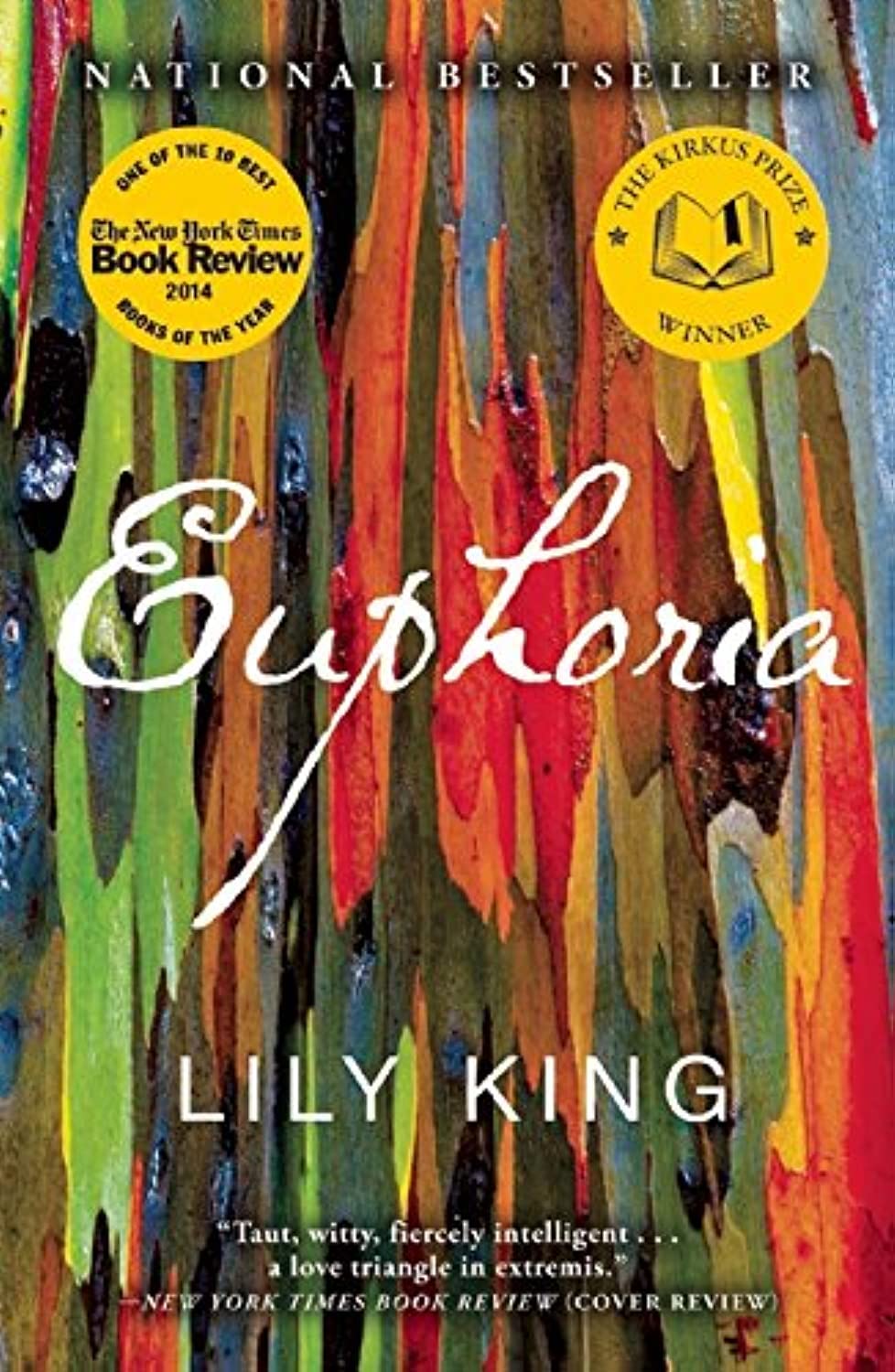
Genre: Historical and contemporary literary fiction with anthropological and naturalist focus.
Themes: Scientific fieldwork, anthropology, complicated human relationships, ethics in science, remote natural settings.
One-Sentence Review: A psychologically charged novel about anthropologists in New Guinea that marries scientific observation with intense human passion.
What You Can Expect From This Book:
- Writing balancing detailed scientific observation with intimate personal storytelling.
- Striking depictions of remote environments that influence character psychology.
- Emotional and ethical tensions rather than conventional crime or mystery.
Readers who appreciate Owens’s zoological lens and the intertwining of natural science with human drama will find this an insightful and compelling read.
4. The River at Night by Erica Ferencik (2011)

Genre: Suspense/thriller with an immersive natural setting.
Themes: Survival, group dynamics in the wild, hidden tensions, outdoor peril.
One-Sentence Review: A gripping whitewater survival thriller where secrets and nature’s brutality collide in a high-octane narrative.
What You Can Expect From This Book:
- Kinetic, vivid descriptions of treacherous river terrain and survival struggles.
- Complex characters shaped by past trauma and present danger.
- Tense mystery and suspense fused with physical threat in wilderness conditions.
For fans of Owens’s suspenseful natural landscapes and survival tension, this thriller offers a pulse-pounding, fast-paced journey through dangerous waterways.
5. Salvage the Bones by Jesmyn Ward (2011)

Genre: Contemporary literary fiction, coming-of-age, rural Southern Gothic.
Themes: Family bonds, poverty, grief, motherhood, nature’s destructive power (Hurricane Katrina), rites of passage.
One-Sentence Review: A visceral, poetic story of a struggling Southern family facing a hurricane that mirrors a young girl’s painful journey into adulthood.
What You Can Expect From This Book:
- Powerful, muscular prose rich with sensory detail of environment and physical experience.
- A fiercely resilient young protagonist navigating hardship and family demands.
- Nature as an active force in human fate, with a looming natural disaster as plot device.
This emotionally raw, nature-infused Southern tale aligns well with the themes of marginalization, resilience, and environment central to Where the Crawdads Sing.
6. The Marsh King’s Daughter by Karen Dionne (2017)

Genre: Psychological thriller with strong nature immersion.
Themes: Survival, trauma, family secrets, identity, wilderness as both prison and sanctuary.
One-Sentence Review: A dark, suspenseful thriller about a woman escaping her father’s isolated wilderness past to confront deep family shadows.
What You Can Expect From This Book:
- Deeply atmospheric marsh and wilderness settings that influence narrative tone and characters.
- A protagonist shaped by wilderness upbringing paralleling Kya’s isolation.
- A gripping revenge and mystery plot with psychological intensity.
For fans craving a closer match to Owens’s marsh setting and suspenseful mystery, this novel delivers both in spades, blending nature writing with edge-of-your-seat tension.
7. The Secret Life of Bees by Sue Monk Kidd (2001)

Genre: Coming-of-age literary fiction with Southern nature and social themes.
Themes: Motherhood, found family, racial tension, spiritual connection to nature (bees as metaphor).
One-Sentence Review: A hopeful and tender coming-of-age story where a young girl escapes trauma and finds healing within a beekeeping community.
What You Can Expect From This Book:
- Warm, evocative natural imagery centered on bees and gardens.
- A strong young female protagonist forging new family bonds.
- Emotional secrets and social mysteries that unfold with gentle moral inquiry.
Readers drawn to Owens’s emotional depth and use of natural metaphors will find this Southern tale a comforting and thoughtful companion.
8. The Fishermen by Chigozie Obioma (2015)

Genre: Contemporary literary fiction with mythic and nature-adjacent themes.
Themes: Family dynamics, prophecy, fate, tragedy, river as a symbolic force.
One-Sentence Review: A lyrical and tragic story of four brothers whose lives unravel after a mysterious prophecy near a river changes their destinies.
What You Can Expect From This Book:
- A strong sense of place focused on riverine environments and community life.
- Complex family relationships strained by supernatural and emotional forces.
- A coming-of-age narrative steeped in suspense and cultural tension.
For readers who value natural landscapes as more than backdrops—and themes of family and fate—The Fishermen offers a layered, poetic story fitting the mood of Delia Owens read-alikes.
9. Whereabouts by Jhumpa Lahiri (2018) (English translation 2021)

Genre: Contemporary literary fiction, introspective, place-based narrative.
Themes: Solitude, observation of daily life, the interplay of nature and urban existence, emotional interiority.
One-Sentence Review: A quietly luminous meditation on solitude and sensory detail, exploring the interior life of a woman in an unnamed Italian city.
What You Can Expect From This Book:
- Sparse, deliberate prose that richly evokes place with intimate observation.
- A nuanced focus on inner life and slow unfolding personal narrative.
- Absence of conventional mystery but deep emotional and sensory nuances.
If you appreciate Owens’s descriptive depth and the feeling of inhabiting a world through a thoughtful protagonist, Lahiri’s subtle and contemplative novel is a fitting companion.
10. The Snow Child by Eowyn Ivey (2012)

Genre: Literary fairy-tale reimagining with historical and wilderness themes.
Themes: Desire for family and connection, isolation, nature’s magic and harshness.
One-Sentence Review: A haunting Alaskan fairy tale where a couple’s snow child blurs the line between imagination and the wild landscape’s mysterious life.
What You Can Expect From This Book:
- Lyrical prose with fairy-tale overtones set against a stark, icy wilderness.
- Characters defined by their solitude and relationship with nature.
- A quietly enigmatic narrative blending emotional yearning with subtle mystery.
For readers enchanted by Owens’s lyrical melding of nature and emotional bittersweetness, The Snow Child offers a similarly immersive and haunting experience.
Conclusion
Where the Crawdads Sing stands out for its rich combination of lyrical nature writing, an emotionally raw coming-of-age narrative, and a suspenseful murder mystery that unfolds slowly and thoughtfully. These ten carefully selected books replicate these signature qualities in diverse ways, providing many pathways for readers to deepen their engagement with stories that blend contemporary literary fiction, mystery and nature novels, and coming-of-age fiction with environmental themes.
Whether you seek the slow-burn mystery entwined with vivid landscapes, emotionally complex protagonists growing through isolation or hardship, or simply crave more immersive and beautifully crafted environments, these 10 Books to Read If You Love Where the Crawdads Sing offer plentiful literary riches waiting to be explored.
If you loved Where the Crawdads Sing, this list is your roadmap to discovering new favorites. Dive in to continue your journey through stories rich in nature, intrigue, and the tender but fierce growth of the human spirit.


