


10 Books to Read If You Love The Book of Lost Names
If you are searching for books like The Book of Lost Names, or interested in Kristin Harmel read-alikes and gripping WWII historical fiction, you’ve come to the right place. Kristin Harmel’s The Book of Lost Names is a moving novel blending hidden identity wartime stories with deep themes of survival and memory. This guide presents 10 carefully selected books that capture the essence of Harmel’s work and expand on the rich backdrop of WWII’s moral complexity and emotional resilience.
Introduction to The Book of Lost Names and Its Appeal
The Book of Lost Names by Kristin Harmel follows Eva Traube, a young Jewish graduate student who becomes a master forger in Nazi-occupied France during World War II. Eva helps Jewish children escape deportation by crafting false identity papers while secretly creating a secret ledger — a “book of names” — to preserve their true identities for postwar reunification. This gripping WWII historical fiction novel uses dual timelines, intertwining Eva’s wartime forgeries with decades-later revelations when a looted book resurfaces, reigniting long-buried memories and secrets.
Harmel’s emotionally resonant prose draws on real historical networks of forged papers and Nazi looting of libraries and archives. The story excels as a hidden identity wartime novel, exploring the tension of living under false papers, protecting children at great risk, and the emotional aftermath of these secret acts.
Readers are drawn to novels like The Book of Lost Names because they reveal stories about identity and survival under unimaginable pressure. The themes of secrecy, courage, resilience, and moral ambiguity in wartime make it a standout within WWII historical fiction. Whether you love stories about hidden identities or the preservation of memory through secret records, this novel deeply connects on many levels.
What Are These Book Recommendations Based On?
This selection of ten novels was chosen because they share key qualities with The Book of Lost Names. They are primarily WWII or immediate postwar historical fiction novels focused on hidden or forged identities, clandestine rescue or resistance efforts, survival in extreme circumstances, and the emotional consequences of living under assumed identities or secret records.
These recommended books emphasize settings in Nazi-occupied Europe or the direct aftermath of WWII. Central narrative elements often include forgery, false papers, underground resistance networks, children hidden from capture, and efforts to preserve memory or identity through secret archives or records — directly paralleling Harmel’s “book of names” conception.
The appeal of Kristin Harmel’s storytelling style influenced this curated list: you’ll find character-driven plots with accessible, intimate prose that balances historical authenticity and emotional depth. Many of these WWII historical fiction titles use dual timelines or intertwine fact and fiction similarly to The Book of Lost Names.
If you’re looking for Kristin Harmel read-alikes that explore hidden identity wartime novels or stories about identity and survival, these recommendations align closely with The Book of Lost Names’ thematic and stylistic strengths.
10 Books to Read If You Love The Book of Lost Names
1. The Nightingale by Kristin Hannah (2015)

Genre: WWII historical fiction
Themes: Resistance, survival, hidden identities, female courage under occupation
One-Sentence Review: Two sisters in Nazi-occupied France take drastically different paths—one joining the Resistance to escort escaped airmen to safety, the other fiercely protecting her family—creating an intimate portrayal of female bravery and sacrifice.
What you can expect:
- Immersive depiction of civilian resistance networks operating under life-threatening conditions, with scenes featuring secret escape routes and assumed identities.
- Sweeping emotional depth focused on family bonds and moral courage, resonating strongly with book clubs and readers attracted by character-driven emotional narratives.
- Writing style that is immersive and heartfelt, matching Harmel’s tender yet powerful exploration of wartime bravery from an intimate perspective.
Readers who admired Eva’s courage and emotional journey in The Book of Lost Names will find Hannah’s The Nightingale an essential, stirring companion. Its focus on women’s resistance and the high personal cost of survival mirrors Kristin Harmel read-alikes perfectly.
2. The Tattooist of Auschwitz by Heather Morris (2018)

Genre: WWII historical fiction / based on true events
Themes: Identity, survival, memory, testimony, dehumanization
One-Sentence Review: A Holocaust survivor recounts his haunting experience as the Auschwitz tattooist, weaving a remarkable story of survival and improbable love amid brutal camp conditions.
What you can expect:
- Raw portrayal of identity reduced to numbers, with intense focus on survival under dehumanizing totalitarian control and the struggle to hold onto names through memory and testimony.
- Emotional, personal, and testimonial tone that brings readers close to the lived experience of wartime survival, emphasizing the lasting power of preserving identity.
- Direct, diaristic prose centered on personal memory, appealing to readers who seek authentic stories about preserving identity despite overwhelming oppression.
This narrative offers a thematic bridge to Harmel’s concern with rescuing heritage and names. Fans of hidden identity wartime novels and emotionally gripping Holocaust survival stories will appreciate this moving read.
3. All the Light We Cannot See by Anthony Doerr (2014)

Genre: WWII historical fiction / literary fiction
Themes: Hidden identities, survival, moral complexity, preservation of knowledge
One-Sentence Review: The interwoven stories of a blind French girl and a German soldier unfold through lyrical, dual timelines highlighting small acts of courage and the protection of secret knowledge during WWII.
What you can expect:
- Intricate dual timelines filled with richly researched historical details; characters hiding and protecting precious knowledge as acts of resistance.
- Meditative and poetic prose centering on the resilience of human culture and memory, perfectly echoing Harmel’s motif of books as vessels of identity.
- Deep emotional engagement through multiple perspectives, ideal for readers who appreciate layered storytelling blending personal and historical narratives.
Doerr’s novel complements The Book of Lost Names beautifully, with overlapping themes of protecting culture and grappling with the moral ambiguities of war. It remains a must-read for fans of WWII historical fiction focused on survival and memory.
4. The Alice Network by Kate Quinn (2017)

Genre: Historical fiction (WWI/WWII) / spy thriller
Themes: Espionage, female resistance networks, hidden identities, rescue operations
One-Sentence Review: A modern American woman teams up with a former WWI female spy to unravel secrets spanning two world wars, unveiling stories of sacrifice and clandestine rescue.
What you can expect:
- Fast-paced, detailed accounts of female espionage and forging secret identities within resistance networks; strong elements of wartime subterfuge and rescue.
- Emotional resonance from the long-term effects of secret identities and the moral complexities of espionage, closely related to themes in Harmel’s work.
- Accessible, plot-driven storytelling with richly developed characters, drawing readers who enjoy both historical accuracy and page-turning drama.
Fans of Kristin Harmel read-alikes who prized the forging and resistance aspects of The Book of Lost Names will find The Alice Network a compelling, adrenaline-fueled next read.
5. Sarah’s Key by Tatiana de Rosnay (2007)

Genre: WWII historical fiction / literary thriller
Themes: Hidden pasts, erased identities, memory preservation, family secrets
One-Sentence Review: A contemporary journalist’s investigation into the forgotten Vel’ d’Hiv roundup uncovers the tragic fate of a Jewish child whose identity was erased during wartime France.
What you can expect:
- Tension-driven narrative revealing cover-ups, hidden identities, and the impact of erased histories on present-day families.
- Intense emotional stakes emphasizing memory, guilt, and the struggle to restore lost voices—a thematic echo of Harmel’s secret ledger of names.
- Tight, suspenseful prose focused on how unveiling hidden records reshapes understanding, perfect for readers drawn to historic truth and moral reckoning.
For readers seeking WWII historical fiction that interrogates identity loss and postwar reckoning with buried secrets, Sarah’s Key suits fans of The Book of Lost Names perfectly.
6. The Lost Girls of Paris by Pam Jenoff (2019)
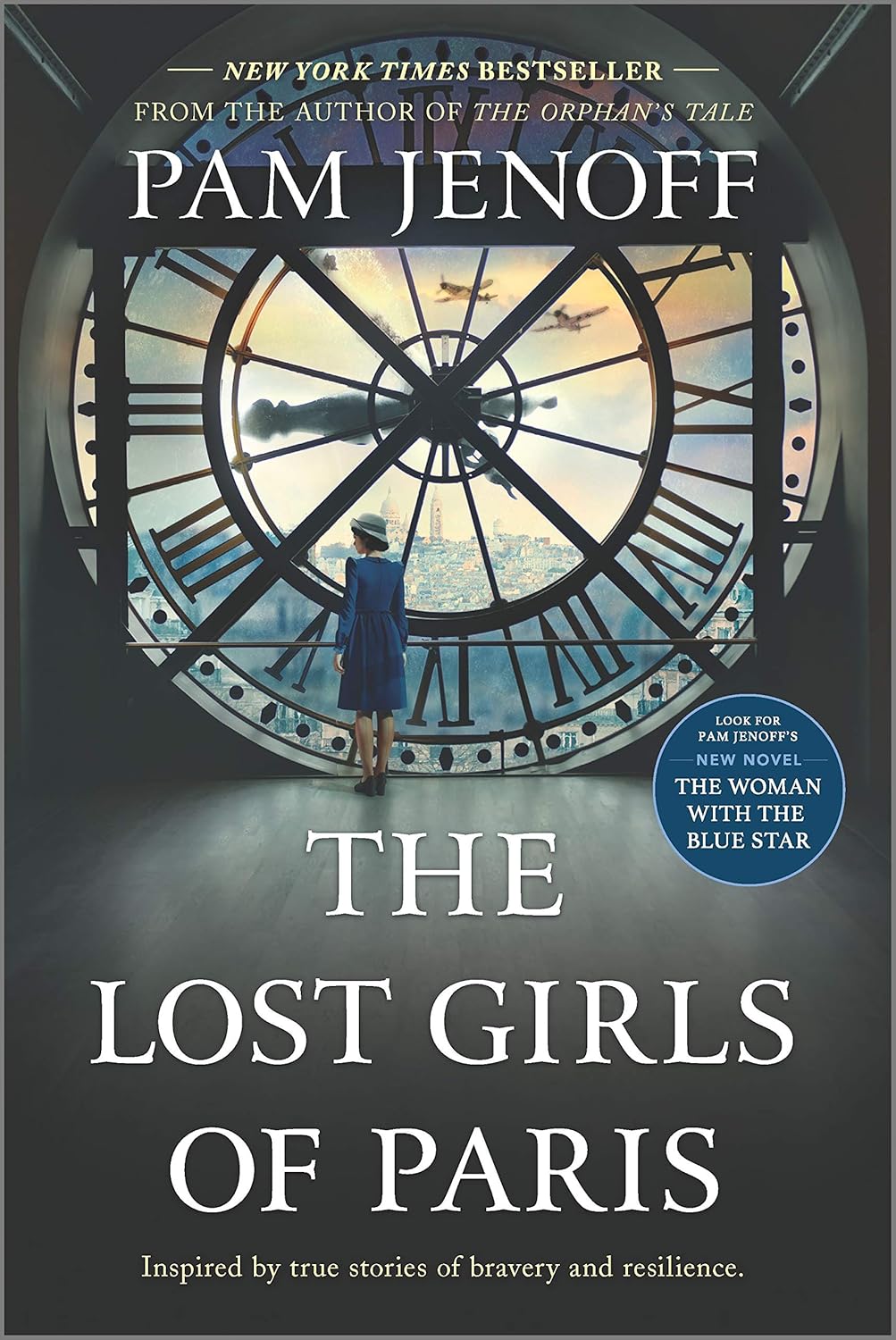
Genre: WWII historical fiction / spy thriller
Themes: Female agents, assumed identities, rescue missions, postwar mystery
One-Sentence Review: An American woman traces the fate of female secret agents who served in Nazi-occupied France, uncovering stories of courage, deception, and hidden identities.
What you can expect:
- Focus on covert rescue operations and forged identities within female espionage networks—paralleling Eva Traube’s forgery work.
- Emotional depth through intricate character connections and the lasting impact of wartime secrets on survivors.
- Dual timeline narrative blending modern investigation with past missions, echoing Harmel’s storytelling method.
Pam Jenoff’s novels like The Lost Girls of Paris rank highly among Kristin Harmel read-alikes for their female-centric wartime resistance stories filled with secrecy and survival.
7. The Women in the Castle by Jessica Shattuck (2017)
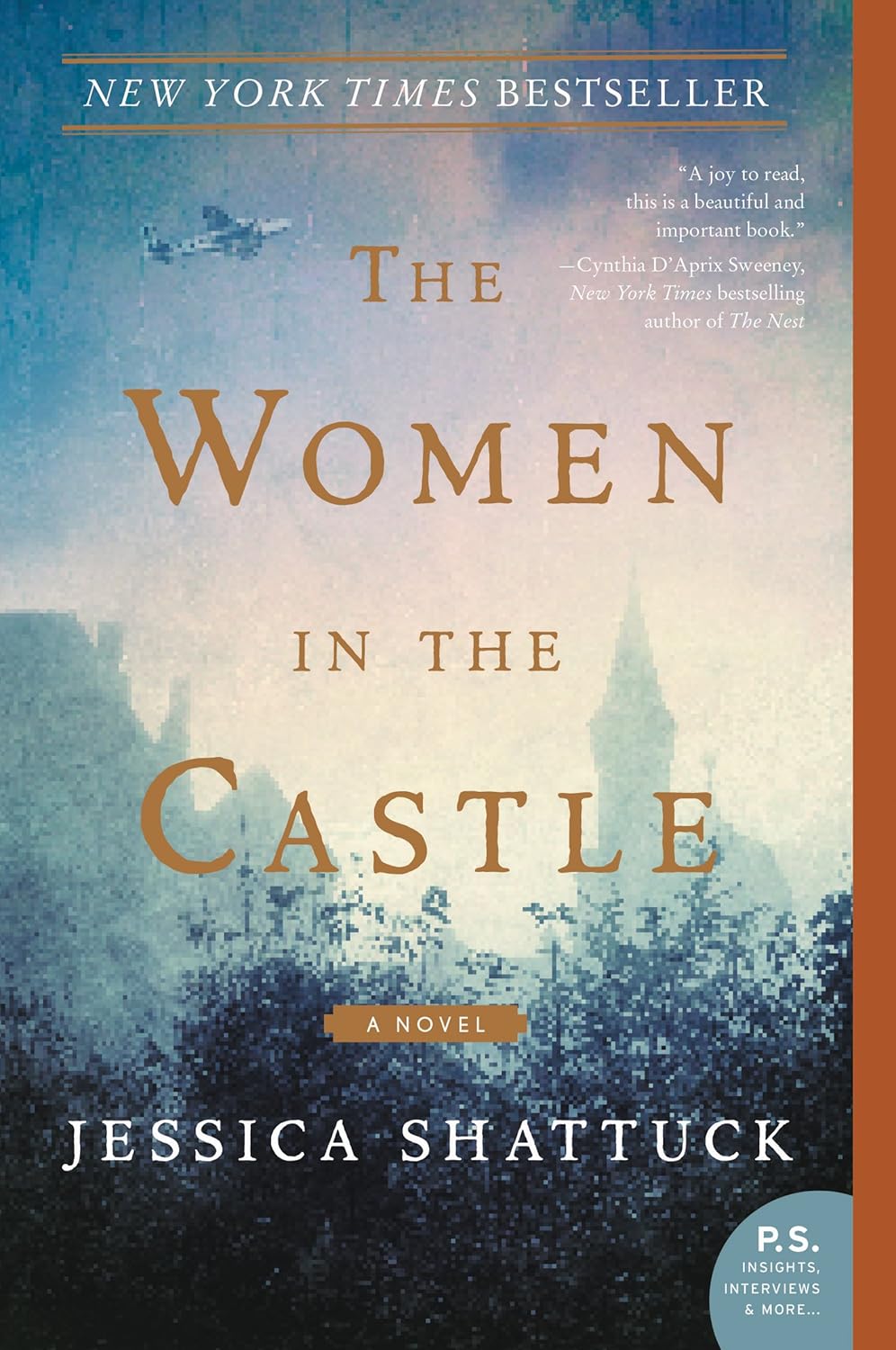
Genre: Historical fiction / post-WWII
Themes: Survival, betrayal, moral reckoning, hidden pasts
One-Sentence Review: After WWII, the widows of German resistance fighters face the consequences of their husbands’ rebellion against Hitler while rebuilding lives at a Bavarian castle.
What you can expect:
- Nuanced exploration of the emotional aftermath of resistance, including guilt, shame, and resilience under scrutiny.
- Literary, character-focused narrative examining moral complexities and survival under new postwar identities.
- Slow-building emotional intensity that appeals to readers interested in the long-term consequences of wartime secrecy.
For fans of The Book of Lost Names who appreciated the postwar revelations and emotional toll of hidden resistance, The Women in the Castle offers profound psychological insight.
8. The Paris Library by Janet Skeslien Charles (2020)

Genre: Historical fiction / literary
Themes: Library looting, cultural resistance, preservation of books, heroism in silence
One-Sentence Review: Based on the real WWII American Library in Paris, this novel honors librarians who risked their lives protecting books and secrets during Nazi occupation.
What you can expect:
- Focus on bibliophiles as unsung heroes, preservation of information and culture under threat, closely paralleling Harmel’s “book of names” motif.
- Dual timeline structure exposing wartime Paris and modern-day Montana, blending past and present memory.
- Intimate, literary prose with research-backed historical detail, ideal for readers captivated by history, libraries, and preservation.
A top pick for readers who loved the cultural preservation and archive-centered themes in The Book of Lost Names, offering a poignant tribute to resistance through knowledge.
9. The Book Thief by Markus Zusak (2005)

Genre: Historical fiction / young adult crossover
Themes: Books as salvation, hidden identities, moral courage under Nazi Germany
One-Sentence Review: A foster girl steals books to protect her loved ones in Nazi Germany, using stories to safeguard identity and hope amid overwhelming danger.
What you can expect:
- Narrative centered on books as a form of resistance, along with the hiding of persecuted people in a dangerous environment.
- Lyrical and inventive narration emphasizing the power of storytelling to preserve memory and identity.
- Cross-generational appeal with high emotional impact, adding a literary, reflective dimension akin to Harmel’s novel.
For those drawn to The Book of Lost Names because of its emphasis on books as carriers of identity and memory, The Book Thief is essential reading rich with moral and emotional complexity.
10. The Giver of Stars by Jojo Moyes (2019)

Genre: Historical fiction (American, Depression era)
Themes: Cultural resistance, literacy, female empowerment
One-Sentence Review: During the Great Depression, women deliver books to remote communities, fighting ignorance and isolation in a quiet but powerful act of cultural preservation.
What you can expect:
- Although set outside WWII, the novel echoes themes of cultural resistance and the transformative power of books.
- Emotional, character-driven storytelling with a focus on female solidarity and courage.
- Accessible prose appealing to readers who value historical fiction about identity and resilience through shared culture.
For readers attracted to The Book of Lost Names for its themes of preserving identity through books and heroes working quietly, The Giver of Stars offers a compelling, though geographically different, narrative experience. For a forgery-focused alternative, The Forger by Paul Watkins provides a narrative closely aligned with Harmel’s forgery motif.
Conclusion: Why These Ten Books Resonate With Readers of The Book of Lost Names
The Book of Lost Names blends thorough historical research and intimate human stories, zeroing in on the survival and preservation of identity through the dangerous art of forgery in WWII France. Its exploration of moral ambiguity, secrecy, resilience, and remembrance has captured the hearts of readers worldwide.
The ten recommended books extend these themes, focusing on hidden identity wartime novels and emotionally charged WWII historical fiction. Whether readers are drawn to clandestine rescue operations, the painstaking preservation of memory through secret archives, or the psychological aftermath of living under false identities, this list has titles that satisfy those desires.
For those fascinated by forgery, false papers, and resistance, starting with The Nightingale or The Alice Network will echo Harmel’s secret identity and rescue motifs strongly. Alternatively, readers who loved the preservation of books, memory, and postwar reckonings should explore The Paris Library or The Book Thief, novels that celebrate culture and history as acts of survival.
By choosing from these 10 books to read if you love The Book of Lost Names, you dive deeper into rich stories of courage, secrecy, loss, and hope that linger long after the last page is turned.
Discover your next powerful read from this list tailored for fans of Kristin Harmel and The Book of Lost Names. Each selection offers a unique but thematically resonant window into the pressing human questions of identity, memory, and survival amid the horrors of war.


