


10 Books to Read If You Love This Is How You Lose the Time War
This Is How You Lose the Time War, co-written by Amal El-Mohtar and Max Gladstone, is a celebrated, lyrical speculative-fiction novella that has captivated readers worldwide. The story follows two rival time agents, Red and Blue, whose ongoing conflict across shifting timelines becomes far more intimate and profound than either expects. Told primarily through letters exchanged across eras, this epistolary format weaves time-travel romance, speculative fiction, and queer love into a haunting narrative.
At around 200 pages, this novella-length tale packs emotional intensity in a compact form. It appeals especially to readers who are passionate about lesbian time-travel books, speculative love story time war narratives, and those seeking Amal El-Mohtar read-alikes. If you’re looking to dive deeper into this genre blend, you’ll find this list of books like This Is How You Lose the Time War to be a rich resource, focusing on time travel romance novels, thematic innovations, and epistolary sci-fi romance suggestions. Here, we spotlight the best short sci fi novellas romance that echo or complement the original novella’s unique fusion of style and substance.
What Are These Book Recommendations Based On?
The list below is crafted with five core criteria in mind, each inspired by what makes This Is How You Lose the Time War resonate so deeply:
- Core Themes of Time Travel and Romance: These books are united by their use of time travel or temporal speculation closely entwined with romantic or deeply emotional relationships. The focus is on speculative fiction that blends temporal stakes and love, capturing that interconnected tension.
- Narrative Style – Epistolary or Unconventional Forms: Many recommendations employ an epistolary format—stories told through letters, diary entries, mixed media, or fragmented, non-linear timelines. This style fosters intimacy and discovery, much like the letters between Red and Blue.
- Presence of LGBTQ+ Romance, Particularly Lesbian Relationships: Reflecting the sapphic romance at the heart of Time War, these books foreground queer love stories or same-sex relationships, offering authentic representation.
- Emotional Tone Similarity: The mood leans toward lyrical prose, elegiac and bittersweet emotions, and poetic language rather than hard science fiction exposition. The emphasis is on feelings and voice.
- Novella or Short Novel Length Preference: To align with the novella length of the source, many picks are accessible short novels or novellas, allowing for immersive but concise reading experiences.
Why does this matter? These five axes preserve the emotional core of This Is How You Lose the Time War – the delicate balance of genre-bending, experimental narrative forms, queer intimacy, and profound speculative stakes. Following them ensures these books like This Is How You Lose the Time War deliver a satisfying continuation of what readers loved in Amal El-Mohtar’s work.
10 Books to Read If You Love This Is How You Lose the Time War
1. The Future of Another Timeline — Annalee Newitz (2019)

Genre: Speculative fiction combining time travel and feminist alternate history.
Themes: Strategic, politically charged time travel; queer and feminist relationships; alternate timelines; sacrifice.
One-Sentence Review: A politically engaged time-travel romance novel with a strong queer cast and complex temporal stakes.
What to Expect:
- Time travel as a tool for social justice, expanding beyond just romance.
- Ensemble cast intertwining personal and collective emotional stakes.
- Queer relationships integrated into an alternate history setting.
Perfect for readers seeking time travel romance novels that offer political depth and robust queer themes alongside speculative love story time war elements.
2. The Ten Thousand Doors of January — Alix E. Harrow (2019)

Genre: Fantasy with portal fiction and epistolary narrative fragments.
Themes: Doors as metaphor for possibility; found family; queer undertones; poetic and nostalgic prose.
One-Sentence Review: A lush portal fantasy whose poetic language and fragmented storytelling echo the lyrical and intimate tone of Time War.
What to Expect:
- Use of letters, collected documents, and story fragments an epistolary sci-fi romance suggestion fans will appreciate.
- Strong lyricism and nostalgic emotional resonance.
- Queer subtext woven into found-family dynamics.
Ideal for readers who want books like This Is How You Lose the Time War prioritizing tone and narrative form over strict time-travel romance.
3. How to Stop Time — Matt Haig (2017)

Genre: Literary speculative fiction focusing on immortality.
Themes: Longevity, love across centuries, identity, and loss.
One-Sentence Review: An emotionally resonant novel about love stretched through time that captures bittersweet melancholia reminiscent of Time War.
What to Expect:
- Romantic connections complicated by extraordinary temporal conditions.
- Reflective, melancholic prose focusing on human emotion.
- Accessible length anchoring heavy themes.
A thoughtful pick for those drawn to lesbian time-travel books with poetic meditations on love and time.
4. The Ocean at the End of the Lane — Neil Gaiman (2013)

Genre: Literary fantasy with mythic and memory-driven elements.
Themes: Memory, childhood, mythic time, and intimate melancholy.
One-Sentence Review: A brief and haunting fable whose poetic language and emotional depth offer a spiritual kinship to Time War’s elegiac tone.
What to Expect:
- Nonlinear, myth-infused sense of time.
- Lyrical prose that favors emotional rather than technical exposition.
- Compact, emotionally dense narrative.
For readers seeking best short sci fi novellas romance that prioritize mood and memory over direct speculative mechanics.
5. Every Heart a Doorway — Seanan McGuire (2016)

Genre: Fantasy novella with portal fiction and queer themes.
Themes: Belonging, found family, and queer identity.
One-Sentence Review: A sharp, poignant novella on displaced teens from magical realms, foregrounding queer desire and bittersweet yearning.
What to Expect:
- Novella-length, tight and clear pacing.
- Central queer characters and themes of homecoming.
- Emotional resonance elevated above world-building complexity.
A concise epistolary sci-fi romance suggestion to satisfy fans of time travel romance novels and lesbian time-travel books in novella form.
6. The Brief History of the Dead — Kevin Brockmeier (2006)

Genre: Literary speculative fiction exploring afterlife and memory.
Themes: Connection after death, memory’s persistence, intersecting timelines.
One-Sentence Review: An elegiac, imaginative novel meditating on how love and memory transcend temporal boundaries.
What to Expect:
- Interwoven timelines presenting parallel existences.
- Poetic atmosphere favoring emotional connection over romance.
- Reflective and melancholy narrative tone.
Suits readers drawn to speculative love story time war elements emphasizing longing and connection across time.
7. The House in the Cerulean Sea — TJ Klune (2020)

Genre: Fantasy with found family and queer romance.
Themes: Acceptance, warmth, and tender relationships.
One-Sentence Review: A tender, affirming fantasy rich in queer emotional core that balances Time War’s elegiac tones with hope and kindness.
What to Expect:
- Gentle, heartwarming tone with strong character focus.
- Queer relationships integral to the story.
- Short novel length allowing quick emotional engagement.
Excellent for readers wanting queer warmth alongside time travel romance novels and wish to explore emotional intimacy beyond bittersweet tones.
8. The Changeling — Victor LaValle (2017)

Genre: Literary horror/fantasy blending myth and intimate familial drama.
Themes: Loss, parenthood, myth versus reality, narrative innovation.
One-Sentence Review: A genre-defying novel combining raw emotion and inventive storytelling; gritty but resonant.
What to Expect:
- Powerful emotional core using mythic motifs.
- Narrative forms that occasionally stray into fragmentation akin to epistolary techniques.
- Not focused on time travel, but shares speculative and emotional intensity.
A bold pick for Amal El-Mohtar read-alikes who want inventive, emotionally charged genre blends.
9. The Strangely Beautiful Tale of Miss Percy Parker — Leanne Hall (2012)
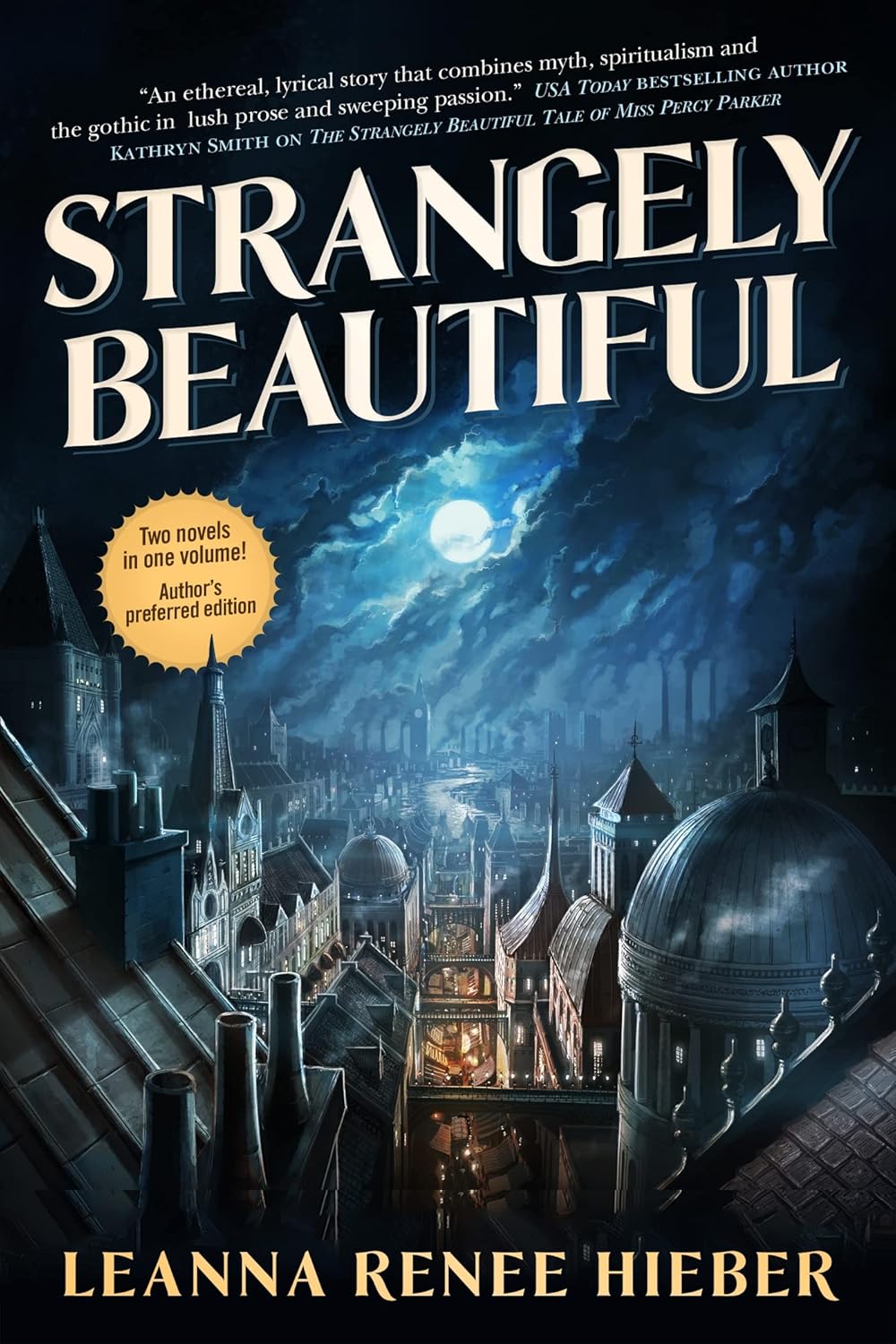
Genre: Magical realism/young adult.
Themes: Memory, fleeting connections, music, and lyrical storytelling.
One-Sentence Review: A luminous and delicate story with a haunting voice, perfect for readers who savor poetic brevity.
What to Expect:
- Compact narrative structure prioritizing tone.
- Evocative, musical writing style.
- Emotional resonance focused on memory’s fragility.
Ideal for those seeking best short sci fi novellas romance with an emphasis on lyricism and emotional nuance rather than explicit speculative mechanics.
10. The Long Way to a Small, Angry Planet — Becky Chambers (2014)

Genre: Character-driven space opera with queer representation.
Themes: Found family, interpersonal bonds, diversity.
One-Sentence Review: A warm, expansive sci-fi novel celebrating queer relationships and intimate human connections.
What to Expect:
- Multiple interwoven queer relationships.
- A slow-burn with emotionally satisfying character arcs.
- Longer than a novella but resonant in emotional and relational focus.
Ideal for readers who want broader time travel romance novels or speculative love story time war vibes with a hearty focus on queerness and character breadth.
Conclusion
This curated list of 10 Books to Read If You Love This Is How You Lose the Time War expands on the novella’s distinctive blend of speculative, lyrical, and romantic storytelling. It preserves or complements the speculative love story time war core, offering epistolary sci-fi romance suggestions alongside standout lesbian time-travel books and other queer-centric narratives.
For fans of time travel romance novels and best short sci fi novellas romance alike, these selections echo the emotional intimacy and genre-blending style that define Amal El-Mohtar and Max Gladstone’s beloved novella. Whether you start with compact novellas or venture into longer, expansive reads full of political breadth or hopeful warmth, these titles ensure you will continue to savor the rich fusion of speculative fiction, romantic stakes, and unconventional narrative forms.
Dive in and discover new worlds, loves, and timelines to lose yourself in—all while keeping the spirit of This Is How You Lose the Time War alive.
Ready to explore more? Each of these titles offers a unique glimpse into the multifaceted landscape of queer, lyrical speculative fiction for readers hungry for more emotional depth and narrative innovation.


